
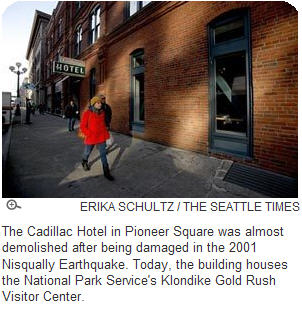
The $350,000 study measures the effects of new construction compared with retrofitted buildings in four cities: Portland, Phoenix, Chicago and Atlanta.
It takes into account effects on the environment — for example, whether runoff from a building adds nutrients to a river, causing algae bloom and lower water quality — and whether a project uses nonrenewable resources like fossil fuels.
Contact the appraisers at www.scappraisals.com for your home value questions regarding updating your existing home.
The report also factors in the amount of additional energy that will be needed to extract resources like metal ores as they become more scarce.
The conclusion was that even the most energy-efficient new buildings have to stand as long as 80 years before their energy savings offset the negative environmental impacts of constructing them.
The report confirms a long-held belief of many in the green building/sustainability field, though it is the first piece of comprehensive research to back up the theory.
“In general, this study finds that building reuse almost always yields better results than new construction,” said Patrice Frey, director of sustainability at the National Trust for Historic Preservation.
Read more at: http://seattletimes.nwsource.com/html/businesstechnology/2018110139_oldgreen01.html
Disclaimer: for information and entertainment purposes only

 Green Real Estate Appraiser