
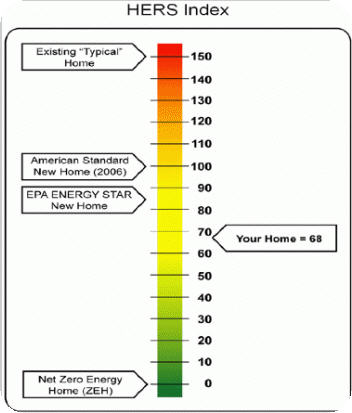
What: The Home Energy Rating System is a score for energy use that is designed to make it easier for consumers to compare homes. It’s often compared to the EPA fuel-efficiency stickers seen at new car dealerships — only for houses.
How does it work: The lower the index score, the more energy-efficient a home is. A new home that conforms to minimum current efficiency standards typically scores 100. By comparison, a home with a score of 70 should consume only 70 percent as much energy.
Can a low HERS score add value to your home? Contact the appraisers at www.scappraisals.com for your value questions. Southern California Appraisal Services is the West’s forerunner in green and energy-efficient property appraisals.
Who uses it: The score is recognized by the Department of Energy and the Environmental Protection Agency, and it is gaining influence among homebuilders and mortgage lenders. The Oceanside-based nonprofit Residential Energy Services Network oversees the training of independent contractors to rate homes fairly and consistently. RESNET also helps foster market demand for home energy ratings.
Q: When does the energy score come into play?
A: One of the things we’re asking of consumers is to know your score when you’re shopping for a home, so that you can tell the relative efficiency from one home to the other. Why is this important? Government-sponsored mortgage lender Fannie Mae has found that the cost of heating, cooling and hot water for a home is the highest cost of homeownership outside the mortgage loan.
Read entire article at: http://www.utsandiego.com/news/2013/mar/01/tp-keeping-score-with-energy/?page=1
Disclaimer: for information and entertainment purposes only

 Green Real Estate Appraiser