Category Archives: energy savings

How to insulate water pipes

pipe

  • Check pipes before insulating. Don’t insulate until any leaks are repaired and pipes are properly supported.
  • To be effective, insulation must touch the pipe.  Gaps between the insulation and the pipe allow cold air to penetrate, which increases the chance of freezing.
  • Don’t take short-cuts where insulation is difficult to install. Any spot that’s left uncovered or inadequately covered could freeze.

Types of Pipe Insulation Two types of pipe insulation are commonly used:


Unfaced fiberglass batts work well on pipes in areas such as attics and crawlspaces where people won’t often be present. Tubular foam is a better choice for areas where people may be present.  These areas would include garages, utility rooms and basements. Match the inside diameter (ID) of the insulation to the outside diameter (OD) of the pipe.


Spiral wrap tape, thin strips of fiberglass and “bubble” products  are not acceptable because the insulating value is too low.


Minimum R-value requirements are listed below.

Read more at: http://oikos.com/library/weatherization/pipe/pipes.html

Find Energy-Efficient Appliances and Electronics

energy-efficient appliances

Finding simple ways to save energy at home is always a good idea. Not only will you save money on your utility bills, but there are some solid environmental reasons to reduce your home energy use. Many products in our homes run on electricity, and while the use of renewable energy is growing, as of 2012, only 12 percent of our electricity came from renewable sources. The other 88 percent was generated by burning fossil fuels — including coal, natural gas and oil — and from nuclear energy. Using fossil fuels contributes to air pollution and climate change, and nuclear power has its own set of environmental issues, including safety concerns and questions about how to safely dispose of nuclear waste.

When it’s time to buy a new refrigerator, computer, furnace, water heater or any other product that runs on electricity or natural gas, the resources below can help you make a smart selection.

Do energy efficient appliances add value to your home?  Contact the appraisers at www.scappraisals.com for your home value questions.


Look for the Labels. When you’re shopping for appliances there are two labels to look for. One is the Energy Star label, which shows that a product meets the Energy Star program’s energy-efficiency standards. Many appliances qualify for the Energy Star label, so you shouldn’t have trouble finding one at a retailer near you. The other label you’ll likely see is the bright yellow EnergyGuide label. This is a government-mandated label designed to help you compare the energy use of different products. Each one gives you an estimate of yearly electricity use. This label is not required for every type of appliance, but when it’s there, it’s easy to spot

Read more: http://www.motherearthnews.com/green-homes/find-energy-efficient-appliances-and-electronicszb0z1307zhla.aspx#ixzz2ZJogf0Q4

How to Baffle Heat Producing Fixtures

baffle

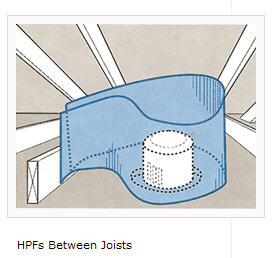
Some electrical devices located in attics, generate lots of heat when operating. If you pile insulation on top of a heat producing fixture (HPF), it could get hot enough to start a fire. Before blowing insulation into an attic, place baffles around all HPFs.

Heat producing fixtures include most recessed lights and heaters, doorbell transformers, electrical wiring connections not in junction boxes, metal flues and knob & tube wiring. Heaters with an Underwriter’s Laboratory label that says “Heater” or “Air Heater” don’t need to be baffled. The same is true of newer recessed lights that are rated “IC,” which means they can be covered with insulation. They must have an identifying label. The label could also be on the outside of the housing, visible from the attic. If it’s inside the housing, you’ll have to remove the light bulb and maybe the trim piece that fits inside the housing to find the label. If you don’t see any of these labels, then you must baffle the fixture.


Baffles should be made from a solid, flame resistant material. Wide metal flashing makes a great baffle (except for use around wiring). It’s easy to bend, can be fastened with staples, and cuts easily with a utility knife.  In some areas, fiberglass insulation batts can be used as baffles. Treated cardboard, sometimes used to baffle attic vents, is not acceptable for baffling HPFs. Baffles must be be firmly attached to something in the ceiling structure, such as the ceiling joists, rafters, or roof sheathing.

Read more at: http://oikos.com/library/weatherization/hpfs/hpfs.html