Category Archives: energy savings

Backup Power Solution to Keep the Juice Flowing During an Outage

generator

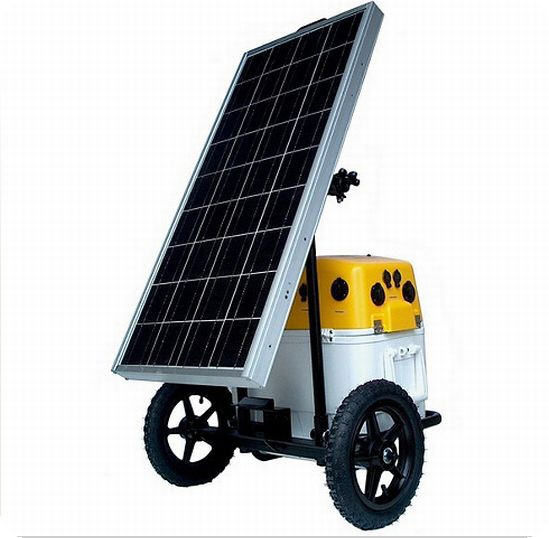
Portable genrators run on gasoline ( 8 to 22 gallons a day) or propane gas (four to eight 20-pounds tanks a day), produce 2,000 to 10, 000 watts and are priced from approximately $400 to $2000.  They come in two varieties: conventional, which is essentially a motor connected to an alternator to produce AC power that is preferred for sensitive electronics such as TVs, computers and radios.

Will a whole house generator add value to your home?  Contact the appraisers at www.scappraisals.com for your value questions.

Read more at: http://www.costcoconnection.com/connection/201302#pg38

Disclaimer:  For information and entertainment purposes only

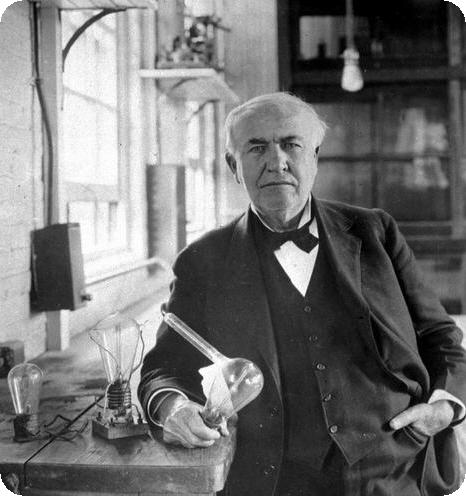
Lightbulb Marketplace Makes the Switch to Energy-Efficient Bulbs

bulb

WEST PALM BEACH, Fla. — If you’re still confused about which light bulb to buy as a replacement for the familiar incandescent bulb that’s being phased out, you’re not alone.

“A lot of people are still surprised as to what is going on. There’s still some confusion,” reports Pedro Villagran, manager of Light Bulbs Unlimited in West Palm Beach. “People are complaining the government is telling them what bulbs to buy.”

As of Sept. 30, it became illegal to import or manufacture the traditional 100-watt incandescent bulb. But stores can still sell what they have on the shelves, and some, including Light Bulbs Unlimited, still have them in stock. Using incandescents is not illegal.

On Jan. 1 the same federal energy legislation passed in 2007 now covers a manufacturing and import ban on 75-watt incandescent bulbs. The law requires most bulbs to be 30 percent more efficient.

On Jan. 1, 2014, the most widely sold wattage bulb — the 60-watt — will be on the way out, along with the 40-watt bulb.

“The 60-watt, that may be a real shocker there,” Villagran said.

Villagran said the change goes beyond the standard reading-lamp bulb to other types of bulbs, such as those for recessed lighting and different types of reflector bulbs.

Read more: Lightbulb marketplace makes the switch to energy-efficient bulbs – The Denver Post http://www.denverpost.com/smart/ci_22404354/lightbulb-marketplace-makes-switch-energy-efficient-bulbs#ixzz2Idbrsor9

Disclaimer: for information and entertainment purposes only
Energy Use Decreases In Newer Homes

caulk

There’s no question that homes have gotten larger, and are still getting larger, even in the face of slower sales and tighter mortgage qualifications. But in something of an anomaly, household energy use is decreasing, according to government statistics.

The reason: energy features built into newer homes. New houses are better insulated, so they use less energy to heat and cool.

The appliances are more efficient, and people living in even the biggest of houses tend to be more aware of the environment and energy waste.

According to the U.S. Energy Information Administration, improvements in the efficiency of the building envelope, space heating, air conditioning, refrigerators and other appliances have all led to decreased consumption per household. For example, multipane windows are now the norm.

About 8 out of every 10 houses built since 1990 have double- or triple-pane, energy-efficient windows, the energy organization reports. About 44 million households have Energy Star refrigerators, and 41 million have Energy Star clothes washers.

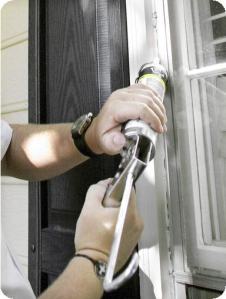
In addition, about 40 million householders report using caulk or weather stripping to seal cracks and air leaks, 26 million have added insulation, and 68 million have at least some energy-efficient compact fluorescent or light-emitting diode lights.

Read more at: http://www.chicagotribune.com/classified/realestate/home/ct-mre-0120-energy-usage-20130118,0,3520388.story

Disclaimer: for information and entertainment purposes only