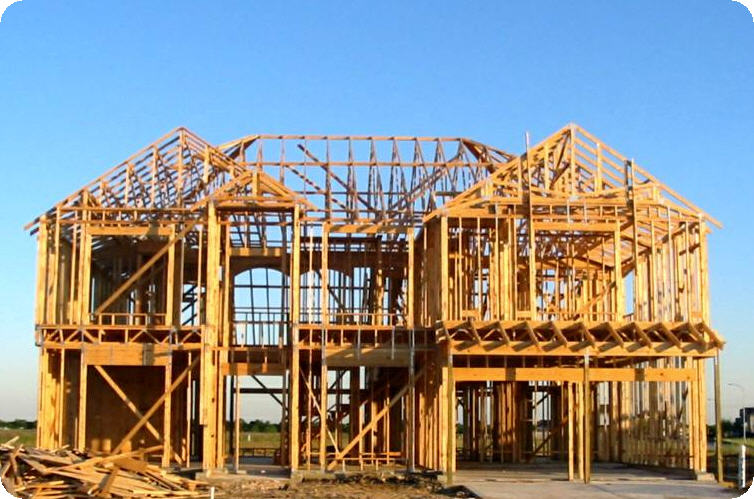
Many homebuyers think that purchasing a brand-new home is smarter than purchasing a “used” home. A new home’s maintenance costs should be minimal; its construction materials, systems and appliances should be up-to-code and energy efficient; the floor plan and amenities should meet the needs of modern buyers and the home should be move-in ready. A new construction also has an emotional appeal for buyers who like the idea of living in a home that’s completely clean and potentially perfect.
What many buyers don’t realize is that new homes often have numerous hidden costs. If you’re considering a new construction, here’s what you should look out for to make sure you’re spending your money wisely and you don’t experience any unpleasant surprises.
Contact the appraisers at www.scappraisals.com to help with value when negotiation a final price with the builder. If you are using a mortgage to purchase the property make sure the value will be there when it is time to sign the mortgage papers. A property not appraising could be a big road block.
Hidden Defects
Just like an older home, a brand-new home can have hidden defects (also called “latent defects”) that require expensive repairs. Heavy rains can reveal inadequate waterproofing or grading that leads to leaks or flooding in your home. A weak slab could crack. Siding could fall off. The wood floors could warp. Your toilet could overflow. Electrical wiring could be done incorrectly. Any problem that you might be afraid to find in an older home can also appear in a brand-new home.
Just like an older home, a brand-new home can have hidden defects (also called “latent defects”) that require expensive repairs. Heavy rains can reveal inadequate waterproofing or grading that leads to leaks or flooding in your home. A weak slab could crack. Siding could fall off. The wood floors could warp. Your toilet could overflow. Electrical wiring could be done incorrectly. Any problem that you might be afraid to find in an older home can also appear in a brand-new home.
To protect yourself, research the builder’s reputation and don’t skip a thorough inspection by an independent home inspector who is not affiliated with the builder. Ideally, you would have one inspection after the home has been constructed but before all the finishes have been put in, when some problems are easier to identify, and another inspection just before your loan closes and you take possession.Read more: http://www.sfgate.com/cgi-bin/article.cgi?f=/g/a/2012/04/09/investopedia6688.DTL#ixzz1rq2no1SG
Disclaimer: for information and entertainment purposes only