
There is no way to make your home totally safe from earthquake damage; just like there are no ways to totally make your home same from fires, hurricanes, storms or any other natural disaster.
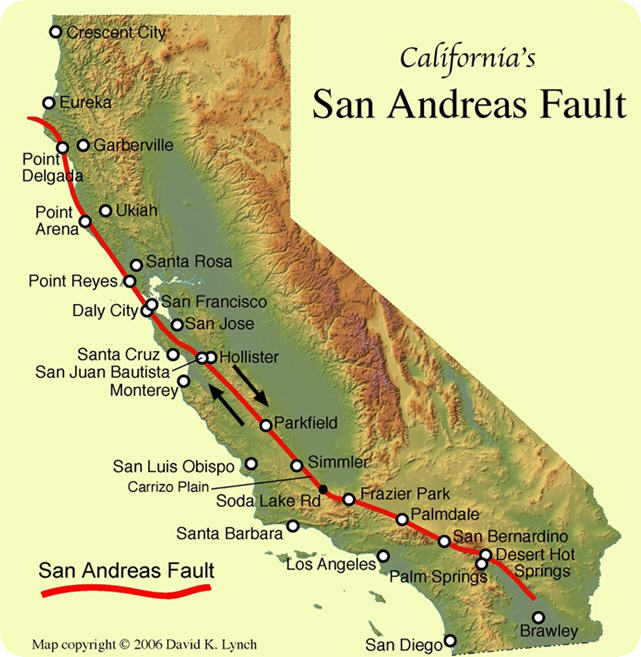
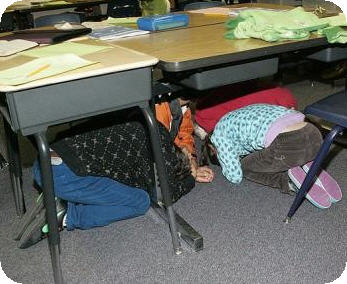
For many us that have lived most of our lives in California we know how to react in an earthquake because we have been trained since grade school. The first thing to remember when you feel an earthquake is to remain calm and Duck and Cover. That means to get under a sturdy object like a desk or a table and cover your head. Protecting your head is the most important thing. Do not run outside unless you have no other option. While the earthquake is happening it may feel like an eternity but more than likely it is seconds. Just imagine how long it would take you to run out of your office or home while the structure is shaking and things are falling. Also standing in a doorway to protect yourself is a myth, it is no stronger than the rest of your home or office.
You should stay there until you get the ok (government official or safety officer) as there will probably be after shocks. If you are at work you should have a flashlight, bottled water and sensible shoes (ladies) for emergencies. If you are at home keep a flashlight and tennis shoes under your bed because earthquakes happen at night too. Try running on broken glass in the dark; it could really slow you down.
I know there were many of us cringing when we saw people in NY stream into the streets and stand just a few feet away from buildings. Remember earthquakes make things fall off buildings and aftershocks always come after a quake. Duck and Cover!!!!
There are ways to “prepare” your home for an earthquake.
#1: Put all breakable and heavy objects on low shelves
During an earthquake, heavy or breakable objects on high shelves can fall and shatter. This puts anything below the shelves at risk of further damage – including you, should you happen to be standing near a high shelf when an earthquake hits. Instead, place heavy and breakable objects as low as possible in your house.
#2: Secure tall or heavy objects to the wall
If you have furniture that could topple forward during seismic shaking, you need to secure it to the wall with bracket and anchors. Examples of such furniture include bookcases, hanging plants, or the top halves of hutches if they’re not attached to their bases.
#3: Brace your water heater
Proper bracing of your water heater can go a long way in preventing expensive damage to your home and your heater. Consult with a professional on how to install proper bracing. This is a building code requirement in California and it can hold-up financing until your water heater is secure. Check with your city for building codes.
#4: Inspect your garage for items that can fall and damage vehicles
Any items hanging from your garage walls or ceiling should be secured. Do this by mounting anchor-based brackets into the studs of your walls and the trusses of your ceiling.
#5: Designate “safe spots” in each room of your house
Standing in the middle of a room during an earthquake or standing near a window could have disastrous results. The middle of most rooms is more susceptible to collapsed ceilings. And unless you have earthquake-proof glass, the windows in your house are likely to shatter if they encounter the stress of an earthquake.
#6: Mount latches on cabinets and doors
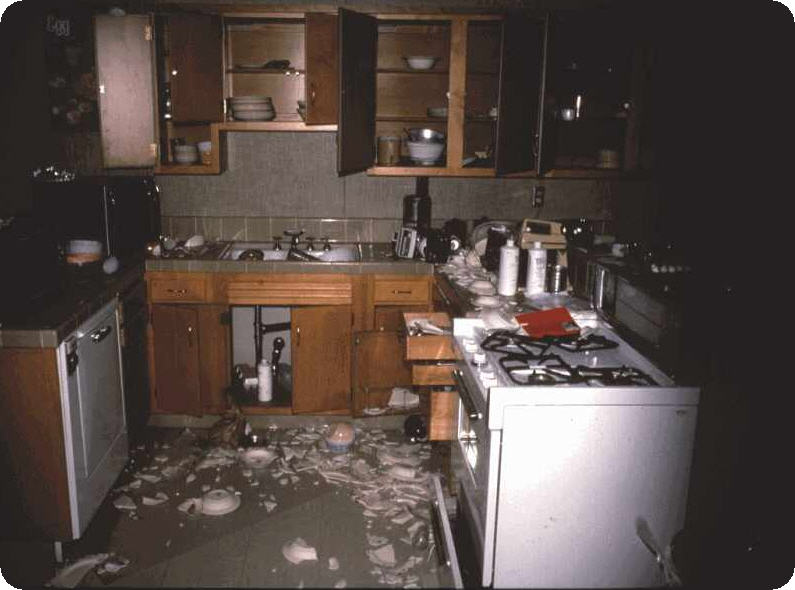
It’s a good idea to attach latches to all the cabinets and drawers throughout your house. Such latches could keep cabinet doors from swinging open during the seismic shaking of an earthquake, helping to protect the contents within the cabinets. Latches will also keep drawers from sliding open and tumbling to the ground.
#7: Learn how to work your utility shutoffs
You should know where your main electric and water service valves are located. Understand how to operate them and in particular find out how to turn them off.
It’s also a good idea to install a seismic shut-off on your main gas line. Understand how the shut-off works and gather the tools necessary to perform that task.
We have always had a wrench attached to our gas main to turn off the gas in case of an emergency. Sometimes finding tools after a disaster can be a challenge.
#8: Plan for a secondary exit from the upper floors of your house
If you live in a house with more than one floor level (including one-story houses with basements), you need to come up with an alternate way to escape any floors not level with the ground. In the event of an earthquake, stairs could become blocked or damaged.
#9: Create an emergency disaster kit
Your emergency disaster kit should include water and medical supplies. Make a list of emergency phone numbers and store that in your disaster kit. You should also include copies of all your valuable documents, such as birth certificates, passports, your mortgage deed, and other similar records.
It’s also wise to include an envelope with cash in case electricity is down for days and you aren’t able to make electronic purchases.
#10: Design your own disaster plan
A disaster plan is something you communicate to all the members of your household. It’s a way of making sure everybody knows what to do in the event of an earthquake or other emergency. Your disaster plan should include a designated meeting place located outside of your residence.
Inform the members of your household of your disaster plan and conduct practice drills to make sure everybody is clear on the details of the plan. Schedule at least one practice drill to take place at night in the dark so household members can practice the plan under stressful conditions.
Most Important Thing to Remember – KEEP CALM AND DUCK AND COVER
Disclaimer – For Information and Entertainment Purposes Only

 Green Real Estate Appraiser