Tag Archives: gray water

Use Your Graywater to Water Your Yard

How it works

Graywater systems channel household water from showers and washing machines to yards, gardens and orchards, through diverted plumbing lines.

There are limits to the reuse: kitchen water from the sink or dishwasher can’t be graylined because food waste could contain bacterial contaminants. Water containing human waste from toilets or diapers also has to go to sewers.

And while the water can safely irrigate fruit trees, tomato vines or berry bushes, it can’t go directly on root crops, or on low-lying plants such as lettuce.

Still, advocates say that in San Diego, where about half of household water goes to irrigation, graywater can make a dent in water use.

“San Diegans use about 50 percent of their water outside,” Lightner said. “For single-family households, if you could save your water, it would definitely reduce your water bill, and reduce consumption throughout the city.”

Until now, complex permit requirements have led many conservationists to install the systems informally.

“It’s sort of one of those things that has happened forever,” said Laura Allen, co-founder of Greywater Action, a Bay Area-based organization that has promoted graylines since 1999. “They weren’t very common in urban areas, but in rural areas, they were always common.”

The changes the city is considering could make graywater systems more common in parched, populous San Diego.

Read more at: http://www.utsandiego.com/news/2012/oct/29/tp-from-graywater-to-green-landscapes/?page=1

Disclaimer: for information and entertainment purposes only
Green Home Trends: From Baby Steps to Extreme Updates

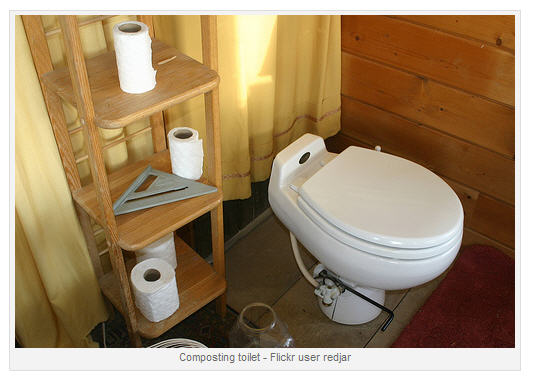
Recycling is one thing, but a composting toilet? That’s when you know you’re taking the going-green trend to its, um, “natural” conclusion.

While many home owners and builders are beginning to make changes to homes to incorporate eco-friendly products and materials, these are just the bud of the going-green trend. To really get the low-down on what the seriously green-minded homeowners can do to help the cause, we’ve rounded up a list of fixes that can be done in a house, whether it was built in 1912 or 2012.

Contact the appraisers at www.scappraisalserv.com for your value questions regarding green updating and how it adds value to your home.

Update your bulbs

You’re going to have to change out your standard incandescent bulbs eventually. This year marked the first stage of phasing out 100-watt incandescent bulbs under the CLEAN Energy Act, but 70-, 60- and 40-watt bulbs are next on the chopping block. Switching to compact fluorescent lights (CFL) or LEDs not only conserves significant electricity, but significant savings as well — more than $57 over the life of the CFL, one report found.

Energy-star appliances

One of the simplest ways to upgrade your home in a green way is to purchase an energy-saving appliance. The best bet is to find one that earns the government’s “Energy Star” rating. The appliances are designed to reduce greenhouse emissions as well as your energy usage over time. Many products can mean tax rebates for your green efforts.

Read more at: http://www.zillow.com/blog/2012-04-11/green-home-trends-from-baby-steps-to-extreme-updates/

Disclaimer: for information and entertainment purposes only

Property Spotlight – Straw Bale House on the Prairie

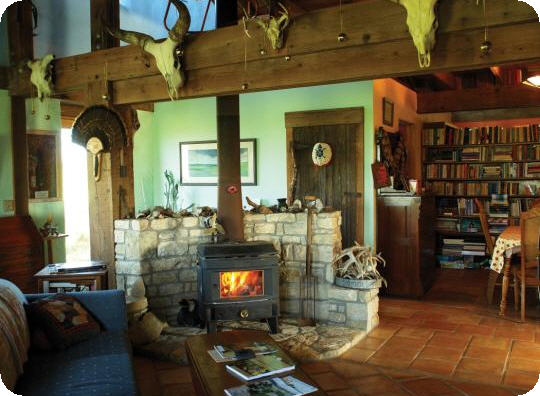
This home is located in the Flint Hills of Southeast Kansas.

Sustainable strategies: Salvaged lumber and limestone from an old barn used for structure, trim, floors and stone walls. Native Indian grass from the land was baled for the wall insulation. A 2-kilowatt photovoltaic (PV) solar system and a 1-kilowatt wind generator provide electricity. Fifteen solar thermal panels provide hot water; gray water from showers and sinks waters plants in the attached greenhouse; composting toilet.
 
 
Disclaimer: For Information and Entertainment Purposes Only