
Tag Archives: solar

The Energy Efficient Mortgage

mortgage

Energy mortgages are essentially mortgages that credit a home’s energy efficiency in the home loan.

  • For an already energy efficient home, this could allow the borrower a greater debt-to-income ratio, thereby giving the homebuyer the ability to buy a higher quality home due to lower monthly heating and cooling costs.
  • For homes where energy efficiency can be improved, an energy mortgage allows money saved in monthly utility bills to finance energy improvements.

Need an appraiser with energy efficient mortgage experience?  Contact the appraisers at www.scappraisals.com; our appraisers are BPI Certified Building Analysts and Certified Green Real Estate Professionals.

A variety of energy mortgages have appeared in recent years and more are anticipated as RESNET and the Environmental Protection Agency increase education and information outreach.

Energy mortgages come in two basic categories:

  1. Energy efficient mortgages, which are used to finance homes that are already energy efficient.
  2. Energy improvement mortgages, which are used to improve the efficiency of existing homes.

Energy mortgages are sponsored by both federally insured mortgage programs (i.e., Federal Housing Administration and Veterans Administration), as well as the conventional secondary mortgage market (i.e., Fannie Mae and Freddie Mac).

Read more at: http://www.resnet.us/energy-mortgage

Disclaimer: for information and entertainment purposes only.
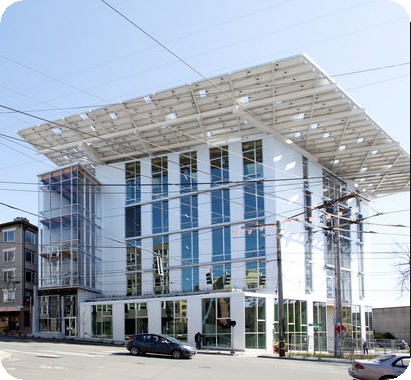
The “Worlds Greenest Office Building” Opens Later this Month

office

SEATTLE — When an office building here that bills itself as the world’s greenest officially opens later this month, it will present itself as a “living building zoo,” with docents leading tours and smartphone-wielding tourists able to scan bar codes to learn about the artfully exposed mechanical and electrical systems.

Have a green home that needs appraising?  Contact the appraisers at www.scappraisals.com

Tenants have already begun moving into the six-story Bullitt Center, in advance of its grand opening on Earth Day, April 22. With the final touches nearly complete on the 50,000-square-foot office building at 1501 East Madison Street, at the edge of the city’s Capitol Hill neighborhood, its occupants are about to embark upon an unparalleled — and very public — experiment in sustainability.

Once settled in, they will be guinea pigs in a $30 million living laboratory distinguished by its composting toilets, strict energy and water budgets and a conspicuous lack of on-site parking. To earn its environmental bragging rights, the Bullitt Center must complete a rigorous one-year certification process called the Living Building Challenge, which requires both water and energy self-sufficiency, among a list of 20 demands.

Read more at: http://www.nytimes.com/2013/04/03/realestate/commercial/the-bullitt-center-in-seattle-goes-well-beyond-green.html?_r=0&adxnnl=1&ref=realestate&adxnnlx=1365266289-7tnFMtXbx9l7UXuuRrnvAA

Owners of Energy Efficient Homes Less Likely to Default on Loan

ee home

WASHINGTON — If you buy or own an energy-efficient house, does this make you less likely to default on your mortgage? Is there a connection between the monthly savings on utility costs and the probability that you’ll pay your loan on time?

A new study by the University of North Carolina suggests that the answer to both questions is a resounding yes.

Do you have an energy-efficient property that needs to be appraised?  Contact the appraisers http://www.scappraisals.com; the forerunners in green property appraisals.

Using a sample of 71,000 home loans from across the country that were originated between 2002 and 2012, researchers found that mortgages on homes with Energy Star certifications were on average 32% less likely to default compared with loans on homes with no energy-efficiency improvements. Energy Star homes, which can be renovated dwellings or newly built, provide documentable savings of 15% or higher on utility bills compared with houses containing minimal energy improvements.

Researchers took pains to statistically separate out factors other than energy-efficiency savings that might account for the strikingly different performances by borrowers on their mortgages. They controlled for house size; age of the house; neighborhood income levels; house values relative to the area median; local unemployment rates; borrowers’ credit scores; loan-to-value ratios; electricity costs; and even local weather conditions.

Read more at: http://articles.latimes.com/2013/mar/29/business/la-fi-harney-20130331

Disclaimer: for information and entertainment purposes only