
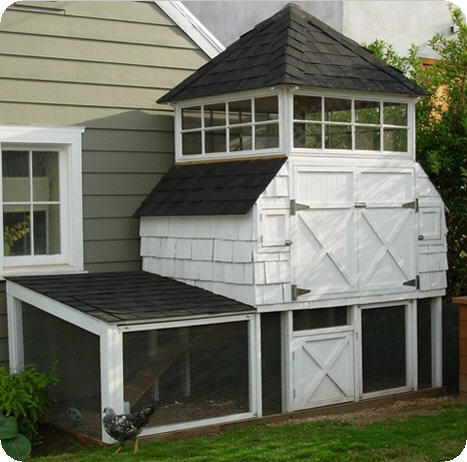
The San Diego City Council voted this week on myriad changes that allow residents to raise goats and chickens on their property, while enabling groups to grow crops on vacant lots in commercial zones without having to cut through a thicket of red tape.
The changes came on a unanimous vote that Councilwoman Lorie Zapf called regulatory relief and Councilman Todd Gloria called common sense.
“It’s going to add to the quality of life in our city,” Gloria said.
“As we become denser and more vertical in our communities, were going to need more opportunities to expand urban agriculture and grow our own food where we can.”
Under the new rules, residents in most houses can keep up to five chickens. If a coop is kept at least 15 feet from property lines, a resident can keep up to 15 chickens. If the coop is at least 50 feet from any residential structure, a resident can keep up to 50 chickens. Coops have to be predator proof, ventilated and clean, while providing at least 6 square feet per bird.
Roosters are still off limits.
Under the old rules, residents could keep up to 25 chickens, but they had to be kept at least 50 feet from residential structures. That effectively banned them.
Goats are now allowed at single family homes, though males must be neutered and the animals must be of the miniature variety. Goat products, such as milk and cheese, must be for personal consumption only.
Finally, beekeeping will now be allowed in single-family areas, though no more than two hives are allowed and they must be at least 15 feet from a neighbor’s home and 20 feet from a street, alley or sidewalk. Hives must be in a protected area and screens are required in most circumstances
Read more at: http://www.utsandiego.com/news/2012/feb/01/urban-farming-gets-a-boost/
Disclaimer: for information and entertainment purposes only

 Green Real Estate Appraiser
If I could afford it, we’d move to San Diego. Always love going there, love the weather, lifestyle and just the fact that its so culturally diverse.
Great to hear about the regulatory modifications they made. Be great if most urban centers started progressing more that way with residential home owners.