
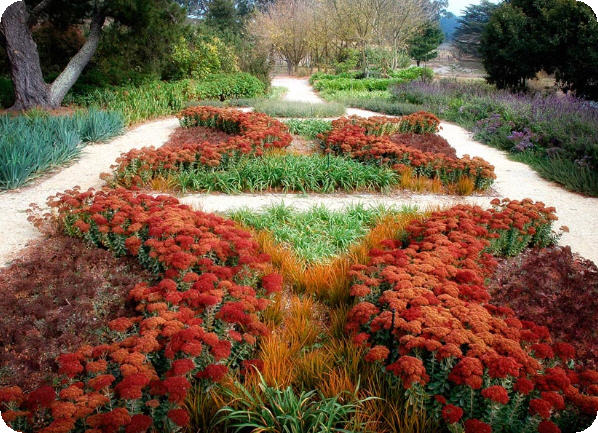
That fickle rainfall comes and goes as it sees fit. As demands on our water supply increase (and so do the costs), we need to do everything we can to be as efficient as possible with the watering of our lawns and gardens. Here are some ways to make every drop count.
Contact the appraisers at www.scappraisals.com for your water saving adding value to your home questions.
Planning and design: Begin by creating a master plan. You can do this yourself or hire a landscape professional. A thoughtful design allows you to install a landscape in phases and avoid costly mistakes.
Compost and cultivate: Soil improvements are very important to water-efficient landscaping. By adding organic soil amendments, such as compost or peat moss, you improve the absorption and water-holding capabilities of the soil and provide additional nutrients for plants.
Create functional turf areas: Grass requires more water and maintenance than other plants. So it’s important to evaluate your lawn to see where grass is practical and functional or whether it can be replaced with less-thirsty alternatives.
The right plant in the right place: Different plants need different amounts of water and sun/shade to survive. Place plants with similar light and water needs together to maximize your water efficiency.
Water wisely: The greatest waste of water is too much, too often. Learn to recognize signs of water deficiency, such as drooping or falling leaves and lack of new growth or vigor.
The use of mulches: Mulches increase the soil’s ability to store water by covering and cooling the soil, thereby minimizing evaporation.
Keep up the maintenance: Keep up on routine maintenance for both plants and lawn. Remember, weeds compete with plants for water and nutrients.
by The Oregonian
Disclaimer: for information and entertainment purposes only

 Green Real Estate Appraiser