
Category Archives: Real Estate

What is Radon? and Reducing it in Your Home

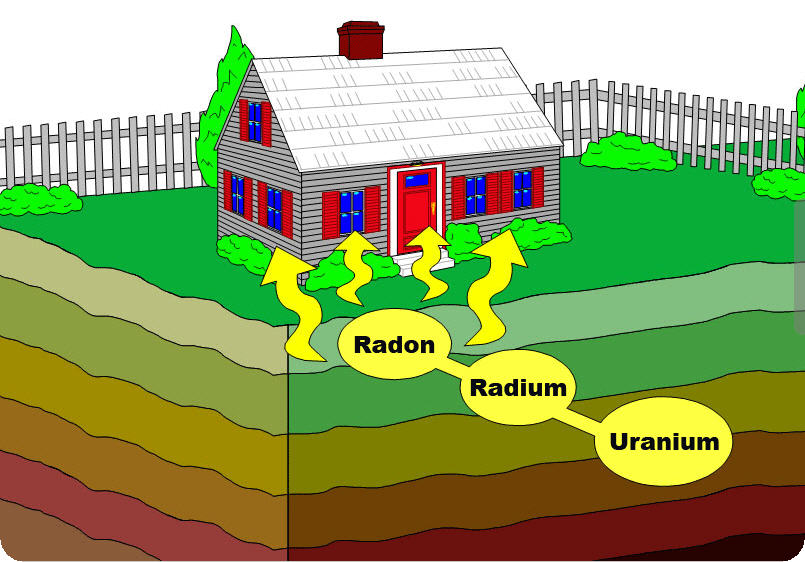
Radon is a naturally occurring form of radiation.  The tasteless, odorless, invisible gas which comes from the breakdown of uranium in soil, rock and water.  It seeps into homes and results in almost 20,000 lung cancer deaths a year according to the EPA.

How do you know if you have Radon in your home?  You can get a Accustar certified test from your local home center ($25).  If you get readings above 4 picocuries per liter of air (pCi/L) in the U.S., immediately call your local EPA for a list of certified mitigation contractors.  Done incorrectly you could risk increasing radon levels and compromising your home’s air quality.  For around $800 to $2500 your house could be more safe.

Removing Radon from your home

How will this effect value?  Real Estate Appraisers do not do these test when inspecting properties.  Usually the only way we find out about the problem is when the home owner notifies us of it.   If we were notified we would determine how much it would cost to solve the problem and how that cost would affect value.  Contact the appraisers at www.socalappraisalserv.com for your value questions. 

Would we recommend a person considering buying a property to invest in a $25 test kit – YES. 

Disclaimer: For Information and Entertainment Purposes Only.
National Fire Prevention Week – Are You Ready?

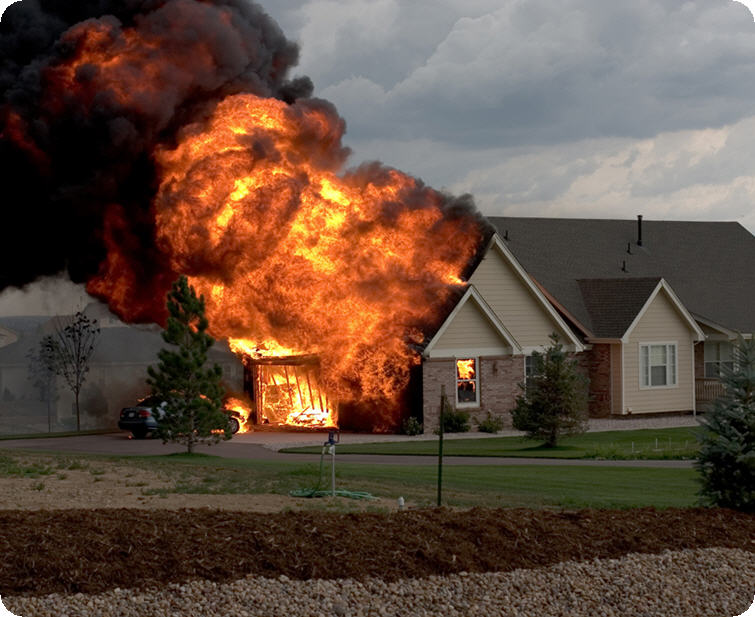
October 9 to 15 is officially Nation Fire Prevention Week.   A home fire is reported every 87 seconds. 

An appraiser when doing an inspection does not do a building inspection but will check for Safety, Security and Soundness.   Contact the appraisers at www.socalappraisalserv.com for questions on the 3s or if you have questions regarding a FHA loan inspection.

Here is what you can do to prevent a fire and if worst case scenario evacuate your family if one ignites.

  • Have a working smoke alarm on each floor. Check and test the batteries every 6 months.  If your smoke alarm is more than 10 years old replace it with a model that has photoelectric and ionized sensors.
  • Keep fire extinguishers handy.  Keep fire extinguishers where blazes are more likely to start such as the kitchen and garage.  Check expiration dates and get canisters serviced annually.
  • Check for potential hot spots.  Every month, walk inside and outside your home, looking for conditions that could spark a blaze (an overloaded outlet or combustibles leaning against a potential igniter).  Check your dryer for lint build-up and clear the filter after each use.
  • Make an escape plan – and practice.
  • Create a fire survival kit, and make sure everyone knows where to find it in an emergency.
  • Reach out to your local fire department.  They have experts on staff who will visit your house and look for potential problems, such as building code violations that could be fires waiting to happen.

To order the 2011-2012 calendar go to: http://www.nyfirestore.com/calendars.html

377,000 of US residential fires in 2009, most of which were preventable – US Fire Administration

Disclaimer: For Information and Entertainment Purposes Only


Filing a Claim After a Disaster

If you are filing a claim under your homeowners policy because of a natural disaster it could take months to get through the whole process.

Keep track of expenses, such as meal and hotel costs and keep all of your receipts.

Read more at: http://online.wsj.com/article/SB10001424053111904716604576549150244407490.html

If you are not satisfied with a proposed settlement this is where a licensed appraiser can help.  We can appraise property for value before the disaster, or do a detailed cost of replacement of your home.  Contact the appraisers at www.socalappraisalserv.com for your appraisal needs.  Also have a lawyer look at your homeowner’s policy and have them detail everything your policy states you are entitled to.  Have them look  into the loopholes and have them identify them for the appraiser.  In times of disaster there are charity groups that offer legal advice, take advantage and find out your rights.

If you have exhausted your insurance contact FEMA at www.fema.org

Disclaimer: For information and entertainment purposes only.