
How to get the most out of your solar-system

Evaluate Your Usage

To optimize usage, you first need to evaluate how you and your family currently use electricity in the home. One way to do this is by having a professional come out and conduct a home energy audit.

During this process, an expert will come to your home and evaluate how efficiently energy is currently being used, as well as suggest methods for improvement. Inspections should be thorough and review the entire structure, from top to basement. The auditor should check things such as your duct blasts, HVAC system, doors, and windows. These tests will reveal problem areas and ways to improve so you don’t end up wasting the valuable solar electricity you’ll be generating.

By figuring out how much energy you currently use, you’ll also be able to better determine the size of solar system you’ll need.

Already have solar and need your home appraised?  Contact the appraisers at www.scappraisals.com, they have been appraising homes with solar for over 10 years.

Price Shop

Solar technology has become increasingly price competitive in the past few years, making it much more affordable for homeowners to either buy systems out-right, or acquire loans for the project.

If you’ve just begun the home solar process and are looking to compare prices from local installers in your area, try using a trusted solar power marketplace to receive a number of quotes and find a solution that works best for your solar energy project. It’s the quickest way to be able to compare prices and services from companies that are experienced with your solar local programs.

Don’t be afraid to ask plenty of questions of solar installer candidates, including their experience connecting customers to the utility grid, knowledge of state incentives, and maintenance programs offered.

read more at:  http://www.motherearthnews.com/renewable-energy/how-to-get-the-most-out-of-your-solar-power-system-zbcz1607.aspx#comments

disclaimer: for information and entertainment purposes only
San Diego – Medium Home Price $495,000

San Diego County’s median home price stopped just short of hitting half a million dollars in June, real estate tracker CoreLogic reported Tuesday.

The median price last month reached $495,000, representing a 4 percent increase from a year earlier. The price has yet to hit its pre-recession peak of $517,500 in November 2005.

Remember – this data reflects all sales; San Diego has mutli-million dollar estates and mobile homes zoned as SFR.  For value questions contact the appraisers at www.scappraisals.com

Sticking to its usual pattern, June had the most home sales — 4,409 — of any month this year.

The median price of a newly built home was $659,000, an increase of 21 percent since the same time last year. The resale home median, $545,000, and resale condo, $383,500, increased under 7 percent in the past 12 months.

Mark Goldman, finance and real estate lecturer at San Diego State University, said higher home prices are tough for buyers because wages are not increasing at the same rate. However, he said buyers benefit from low mortgage interest rates.

“High home prices are going to be a fact of life for San Diegans since the supply of housing is so limited and our population and employment continue to grow,” he said.

read more at: http://www.sandiegouniontribune.com/news/2016/jul/19/june-corelogic-median-price/

disclaimer:  for information and entertainment purposes only

Use your smart phone to conserve water in your garden

water garden

Digitally Controlled Irrigation Makes a Garden “Smart”

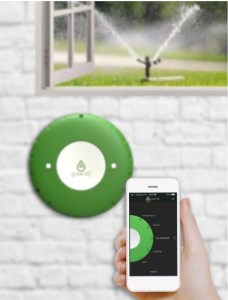
The good news is technology has a solution: the smart garden. An offshoot of the smart home that harnesses the power of the internet to help you conserve energy, the smart garden connects your landscape to the internet to more efficiently manage and conserve water use, while growing stronger, healthier plants.

Connecting your garden to the internet has a lot of surprising benefits. By giving your outdoor space “smarts,” you allow it to essentially think for itself. It can decide when it needs more water, fertilizer or other treatment, and tell you if it has a problem with insects, location concerns or other issues.

There are currently three main components to the smart garden:

1. Smart irrigation controllers – Automatic sprinkler and drip systems that create smart schedules and monitor the weather via the internet to manage watering intelligently.
2. Smart sensors
– Small electronic chips embedded in devices that go in your soil to monitor nutrients, moisture levels and other pertinent factors.
3. Smart hubs
– Central units that collate all the data coming from your smart garden devices and sends it to “the cloud,” where the data is compiled to determine the best way to manage your plants.

read more at: http://www.motherearthnews.com/blogs/green-homes.aspx?newsletter=1&utm_source=Sailthru&utm_medium=email&utm_campaign=7.15.16%20MEN%20GEGH%20eNews&utm_term=GEGH%20eNews