
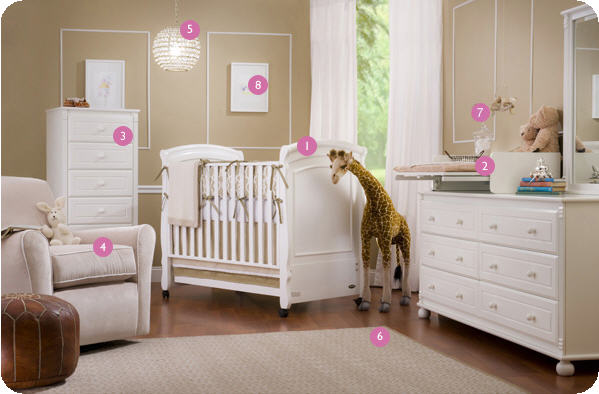
Kids’ Rooms Transcend and Serve Child from Cradle to College

furn

Like a lot of modern décor, children’s rooms are enjoying a rethinking.

No longer restrained by old-school ideals for juvenile décor, these spaces now feature elements that transcend genres and traditional gender themes. Decorators and retailers offer options that fling the design doors wide open — and how much fun is that for a child?

So let’s check out what’s cool, cozy and clever for kid’s rooms.

New York designer Amanda Nisbet uses elements like pop art, ’70s modern furniture, and crisp, energetic hues like bright yellow, soda orange and magenta to make bedrooms lively, friendly and fun. (www.amandanisbetdesign.com )

Nancy Twomey of Alexandria, Va., blends neutral hues with dashes of gentle color — soft coral, sea blue, fresh pea green — and adds whimsical notes such as mirrored rabbit decals, papier mâché safari animal wall art and ceramic tree stump tables to create charming, sophisticated rooms that children could enjoy from crib to college. (www.finniansmoon.com )

In modern families, some kids divide their sleeping time between a couple of households, often in rooms that serve another function when the child isn’t there. Providing such spaces requires a little extra thought and ingenuity, says Ikea North America’s U.S. design leader, Josee Berlin. The aim is to help children feel at ease in their sleeping area.

read more at: http://www.utsandiego.com/news/2013/dec/14/tp-kids-room-design-grows-up-bedrooms-grown-up/

Unsettling Times for Property Owners

For one of the least productive congressional sessions in modern history, the final word about tax reform last week was entirely in character: Nothing’s happening.

But is that good news or bad news for homeowners, buyers and small-scale real estate investors? A bit of both.

When House Ways and Means Committee Chairman Dave Camp, R-Mich., announced that not only will he not reveal the details of his long-awaited comprehensive tax reform bill this year but he also will not seek passage of a so-called “extenders” bill for expiring tax-code benefits, it was a sweet and sour mix for real estate interests.

Camp’s big reform bill, which would attempt to lower individual and corporate income tax rates to a maximum of 25 percent, is expected to call for significant cutbacks — possibly elimination — of prized deductions for home mortgage interest, local property taxes and other write-offs in order to pay for lower marginal rates. With major changes like these now pushed back well into 2014 for even preliminary debate — in the middle of a re-election year for Congress — homeownership advocates are at least moderately relieved.

But there’s a key negative here as well: The failure of tax writers to put together an extenders bill means that important expiring Internal Revenue Code provisions affecting large numbers of homeowners — especially relief from taxation on mortgage debt forgiveness by lenders in most states, plus current deductions for mortgage insurance premiums and energy-saving home improvements — will lapse Dec. 31.

read more at: http://www.utsandiego.com/news/2013/Dec/15/tp-unsettling-times-for-property-owners/?#article-copy

Disclaimer: for information and entertainment purposes only

As Interest Rates Rise, Hybrid Mortgage May be a Good Option

WASHINGTON — Higher mortgage rates for 2014? Count on it. Could this be the year to check out hybrid mortgages, which haven’t been popular lately? Maybe.


You can count on interest rates going higher because:

•The Federal Reserve intends to continue reducing its monthly purchases of mortgage bonds and Treasury securities, which will have the side effect of raising rates.

•The national economy finally appears to be picking up steam, based on the latest quarterly data. Higher growth rates in turn will increase demand for available credit and probably nudge rates higher.

•New federal regulations for mortgage lenders aimed at avoiding another bust take effect Jan. 10. Not only will loan officers and underwriters scrutinize applicants’ income, debt ratios and credit extra carefully, they’ll probably charge more for borrowers whom they see as a higher risk. Some mortgage economists predict that conventional 30-year, fixed-rate loans could go to 5.5% before year-end.

So what does this mean for you if you’re thinking about buying a house or refinancing and you want to nail down the most favorable interest rate and terms? Should you shop primarily for a traditional mortgage product that guarantees you a specific rate for 15 to 30 years?

Or should you check out what’s also on the shelf in the way of hybrids — loans that provide a guaranteed fixed rate for a pre-defined period of time, say five, seven or 10 years — then convert to a rate that can change annually?

The case for sticking with a traditional fixed-rate mortgage is straightforward. Though 30-year rates are more than a percentage point higher this month than they were a year earlier, they are still not far off multi-decade lows.

read more at: http://www.latimes.com/business/realestate/la-fi-harney-20140105,0,7259627.story#ixzz2ppBcDSUJ

Disclaimer: for information and entertainment purposes only