
New Series – Winterize Your Yard – North America

This series will be done by region.
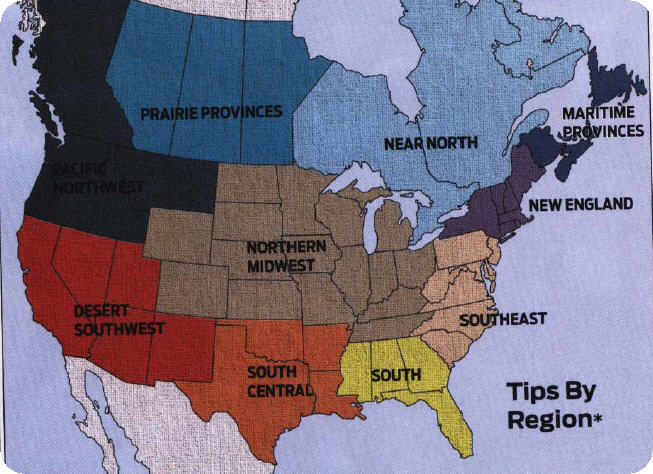
For most everywhere:

  • Mulch Generously – Two inches of shredded bark, leaves or pine needles insulate plants and soil from the frost and winter’s drying wind and sun.
  • Trim Grass – Mow down to 2 1/2 to 3 inches in height before it goes dormant.  Then rake thoroughly to keep bugs from building nests.
  • Remove Dead Leaves – In wet clumps they smother grass, shelter insects and breed disease.  Mulch those on the lawn with your mower for natural fertilizer.
  • Rototill Veggie Gardens – Remove any remains of the past season’s crops which can become diseased.  Turn up 8 inches; this exposes most destruction insects, such as grubs, and their eggs to birds and the cold.

Disclaimer: For Information and Entertainment Purposes Only.

Living Design: How to Decorate with Plants

 
If you’re looking for home décor that is beautiful, affordable, suited to any taste and actually improves the health and wellness of your home, look no further than your neighborhood garden center. With their wide array of colors, shapes and textures, houseplants are a perfect way to enliven your home’s interior landscape. They’re a fun outlet for gardening in winter and a perfect way to connect with nature in urban homes without much outdoor space. Living with plants is also good for us, beefing up the oxygen content of the air and cleansing it of toxins such as benzene, formaldehyde and trichloroethylene—common chemicals that can cause adverse health effects. Studies also have shown that the presence of houseplants lowers blood pressure, relieves stress and helps us ward off the common cold.
 
 
Will this add value to your home?  Depends.  Most indoor plants are considered personal property but there are always exceptions to the rule.  If you are trying to sell your home this may add to marketing value.  Contact the appraisers at www.socalappraisalserv.com for your value questions.
 
Disclaimer: For Information and Entertainment Purposes Only.

Many Tax Credits End This December

Since 2005, the federal government has offered a variety of tax credits to help defray the total cost of residential upgrades that produce years of utility savings but require a large upfront investment. One of the two biggest credits is the energy-efficiency tax credit, which helps pay for improvements to the home shell or for installing energy-efficient heating and cooling systems. This credit is capped at $500 and is set to expire at the end of the year. The other is the renewable-energy tax credit, which covers up to 30 percent of residential alternative-energy systems, has no cap and has been extended through 2016.

Read more: http://www.naturalhomeandgarden.com/energy-efficiency/2011-guide-to-renewable-energy-efficiency-tax-credits.aspx#ixzz1bQtzEJmY


Disclaimer: For Information and Entertainment Purposes Only.