
Tag Archives: hurricane

What You Should Have In Your Emergency Kit


Recommended Items to Include in a Basic Emergency Supply Kit
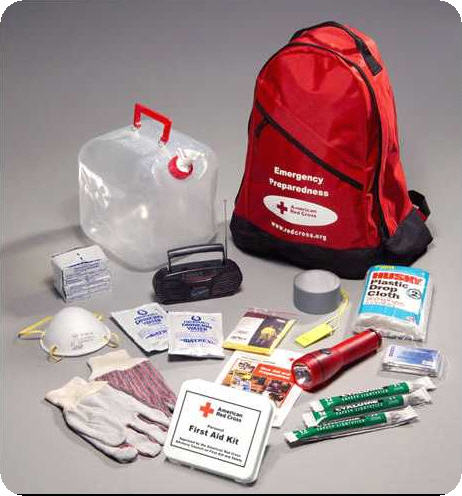
Or go to:  http://www.ready.gov/america/_downloads/checklist.pdf

  • Water, one gallon of water per person per day for at least three days,for drinking and sanitation
  • Food, at least a three-day supply of non-perishable food
  • Battery-powered or hand crank radio and a NOAA Weather Radio with tone alert and extra batteries for both
  • Flashlight and extra batteries
  • First aid kit
  • Whistle to signal for help
  • Dust mask, to help filter contaminated air and plastic sheeting and duct tape to shelter-in-place
  • Moist towelettes, garbage bags and plastic ties for personal sanitation
  • Wrench or pliers to turn off utilities
  • Can opener for food (if kit contains canned food)
  • Local maps
  • Cell phone and chargers

Additional Items to Consider Adding to an Emergency Supply Kit

  • Prescription medications and glasses
  • Infant formula and diapers
  • Pet food and extra water for your pet
  • Important family documents such as copies of insurance policies, identification and bank account records in a waterproof, portable container
  • Cash or traveler’s checks and change
  • Emergency reference material such as a first aid book or information from www.ready.gov
  • Sleeping bag or warm blanket for each person. Consider additional bedding if you live in a cold-weather climate.
  • Complete change of clothing including a long sleeved shirt, long pants and sturdy shoes. Consider additional clothing if you live in a cold-weather climate.
  • Household chlorine bleach and medicine dropper– When diluted nine parts water to one part bleach, bleach can be used as a disinfectant. Or in an emergency, you can use it to treat water by using 16 drops of regular household liquid bleach per gallon of water. Do not use scented, color safe or bleaches with added cleaners.
  •  Fire Extinguisher

  • Matches in a waterproof container

  • Feminine supplies and personal hygiene items

  • Mess kits, paper cups, plates and plastic utensils, paper towels

  • Paper and pencil Books, games, puzzles or other activities for children

Disclaimer: For information and Educational Purposes Only
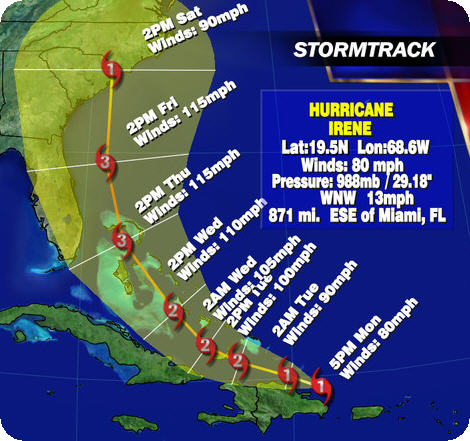
Are You Ready For The Hurricane???

First if you have been instructed to evacuate go now.  There is nothing in your home you cannot replace except for you, your family and your pets.  Appraisers at www.socalappraisalserv.com are certified FEMA inspectors and they can tell you get to safety and when it is over we will be out to the hurricane zone to assist homeowners.   We have already been alerted by FEMA and we will be out to help as soon as we get the call.

Plan to Leave If You:

  • Live in a mobile home. They are unsafe in high winds no matter how well fastened to the ground.
  • Live on the coastline, an offshore island or near a river or a flood plain.
  • Live in a high-rise building. Hurricane winds are stronger at higher elevations

Before the hurricane season:      Determine safe evacuation routes inland. Learn locations of official shelters.  Check emergency equipment, such as flashlights, generators and battery-powered equipment such as cell phones and your NOAA Weather Radio All Hazards receiver.   Buy food that will keep and store drinking water.  Buy plywood or other material to protect your home if you don’t already have it.  Trim trees and shrubbery so branches don’t fly into your home.  Clear clogged rain gutters and downspouts.  Decide where to move your boat.  Review your insurance policy.  Find pet-friendly hotels on your evacuation route.

During the Storm

When in a Watch Area: 

  • Frequently listen to radio, TV or NOAA Weather Radio All Hazards for official bulletins of the storm’s progress. 
  • Fuel and service family vehicles
  • Inspect and secure mobile home tie downs.
  • Ensure you have extra cash on hand. 
  • Prepare to cover all windows and doors with shutters or other shielding materials. 
  • Check batteries and stock up on canned food, first aid supplies, drinking water and medications
  • Bring in light-weight objects such as garbage cans, garden tools, toys and lawn furniture

When in a Warning Area:

  • Closely monitor radio, TV or NOAA Weather Radio All Hazards for official bulletins.
  • Close storm shutters.
  • Follow instructions issued by local officials. Leave
  • immediately if ordered!
  • Stay with friends or relatives at a low-rise inland hotel or at a designated public shelter outside the flood zone
  • DO NOT stay in a mobile or manufactured home
  • Notify neighbors and a family member outside of the warned area of your evacuation plans.
  • Take pets with you if possible, but remember, most public shelters do not allow pets other than those used by used by people with disabilities. Identify pet-friendly hotels along your evacuation route.

For more information go to: http://www.nhc.noaa.gov/outreach/prepare.shtml

Disclaimer: For Information and Entertainment Purposes Only.