
It all started with the dishwasher.
Ours was a giant, energy-sucking sprinkler system that took nearly three hours to cycle through its uselessness. And then there was the floor beneath it. All vintage and no charm, it looked to be the 120-year-old house’s original maple slats which, after a century of supporting heavy foot traffic in the busiest room in the house, had inched apart from one another leaving unsightly gaps, black with a century’s worth of crud.
Will remodeling your kitchen add value to your home? Contact the appraisers at www.scappraisals.com for you value questions.
Those two aspects of our Logan Square Victorian’s vintage kitchen would have been easy enough to replace. But after consulting with a general contractor about the floor — and then allowing the conversation to wander to the rest of the room — my fiancé and I were convinced: tackling all of the issues, from literally unhinged mid-century cabinetry to the greasy pink wall-to-wall tile, would be most cost-effective if addressed, and replaced, in one major remodel.
Go with custom cabinets if your budget allows. “The word custom historically scares people off; don’t let it do that,” Lewis says. “There are many cabinet companies that work with the public and cater to lower price points. You’ll get far more bang for your buck both aesthetically and functionally.” This route allows you to truly customize the cabinets to fit your space as opposed to working within set box sizes, which can be tricky for older homes with odd measurements. Lewis recommends spending a bit more for slow-close hinges and various inserts for cutlery and flatware — modestly priced finishing details that go a long way toward everyday practicality and enjoyment.
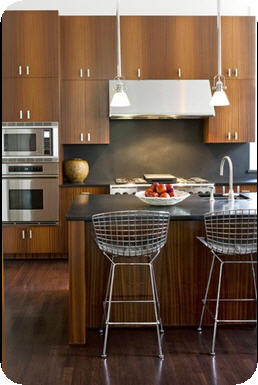
Assess your lighting situation. “If you’re ripping out your kitchen, you should have the appropriate light to showcase your new space,” Lewis says. She suggests LED lighting strips as under-cabinet lighting. “Not only are they environmentally friendly, the light they cast is really warm and you’ll never have to change a light bulb.” In the rest of the space, Lewis recommends peppering in decorative lighting to bring scale and personality. To avoid tearing up our entire ceiling to reposition an ill-placed overhead socket, we followed Lewis’s advice and used it to anchor an extra-long pendant lamp, its slack neatly hooked to the ceiling directly over our kitchen table at an intimate height for dining in.
Read more at: http://www.chicagotribune.com/classified/realestate/home/sc-home-0325-kitchen-reno-20130424,0,3127161.story
Disclaimer: for information and entertainment purposes only


 Green Real Estate Appraiser