
Tag Archives: real estate appraisal

Aging Boomers Update Their Homes Aging in Place Tips

Aging-in- place tips

• Remove area rugs and scatter rugs or affix them to the floor.

• Add grab bars in bathrooms.

• Widen hallways and doorways for walkers or wheelchairs.

• Remove cabinets underneath bathroom sinks to allow access for a wheelchair or walker.

• Install a bidet. Says Nelesen: “It’s an old European idea, but it does preserve your dignity a bit.”

• Change step-in showers to roll-in showers.

• Choose slip-resistant, flat flooring for easy rolling.

• Use handles rather than knobs for kitchen cabinets and doors, making the grip easier for arthritic hands.

• Assess furniture. For example, recliners make standing and sitting easier, but a swivel feature makes them unstable.

• Look to technology. Automated medication dispensers and in-home sensors are just two ways seniors can take advantage of high-tech health aids

Will these updates add value to your home?  Contact the appraisers at www.socappraisals.com for you value questions.

First it was the call from an older widow in Santee. She had nixed moving to an assisted-living facility in favor of adding a second level to her home that would create a spacious environment for her adult granddaughter’s family of four — and live-in caregivers for her. And then even more requests began rolling into Jackson Design and Remodeling from adult children determined to help their aging parents stay in their own homes. Plus middle-agers were asking for ideas on what they should be doing to prepare for future retirement at their residences.

CEO Todd Jackson realized he was witnessing a new way of thinking about his industry.

“We started noticing the trend in about 2006,” he said. “So we started looking at how we’re building projects in a more holistic approach that’s not just about now, but the long-term, too.”

That trend, often referred to as “aging in place,” is rapidly altering not only the remodeling business but architecture and interior design, too. And as the baby boomer generation continues into its retirement years, the desire to adapt existing homes for older adults is only expected to grow.

Read more at: http://www.utsandiego.com/news/2012/may/26/tp-room-to-retire/
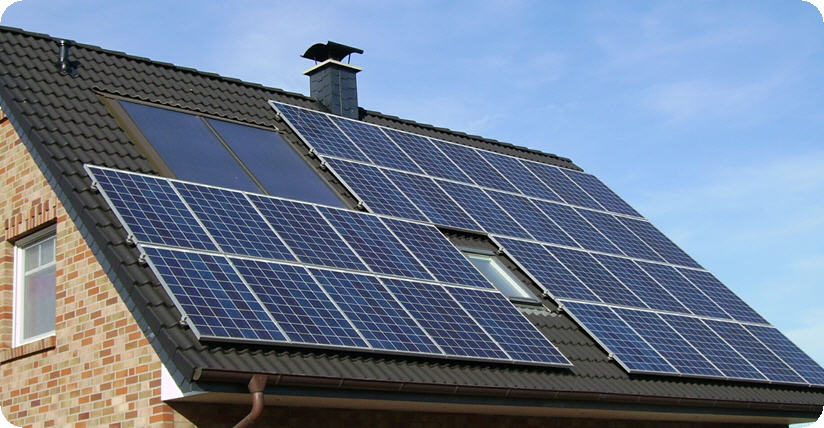
Assessing Whether Solar Panels Make Sense for You

As  reported in The Times, legions of companies will offer to install a system at no upfront cost and promise customers cheaper, cleaner electricity over the course of 20 years. Some are small and local, while others, including SolarCity, Sunrun, Sungevity and SunEdison, are larger, with national or even international reach. Some large manufacturers, like SolarWorld, even offer financing plans for home installations.

Contact the appraisers at www.scappraisals.com for your solar value questions.

For residential customers, the deals can seem attractive. The company arranging the financing for the system usually owns and operates it, selling the electricity back at a rate generally lower than what the utility would charge. Depending on the company and the state, the details vary. In some cases a customer pays a preset rate for the electricity used, known as a power purchase agreement. In others, the customer leases a system, paying a set monthly charge for a guaranteed amount of power.

Part of the appeal here is that customers can not only reduce their energy costs but fix them for a long period of time, avoiding the unwelcome surprise of a suddenly high bill because, say, natural gas prices have shot up again. Customers also avoid having to figure out how to claim the various incentives and benefits for which they qualify as a renewable energy producer.

But there are some things to look out for. Going solar does not mean going off the grid. A typical roof array will not handle all of a home’s electricity needs since it produces power intermittently. So customers will still get a bill from the utility, though probably a much smaller one. Many contracts also have escalator clauses, with the payments increasing over time, so it is important to determine if your energy costs are likely to go up or down if you were to stick solely with the utility.

Read more at: http://green.blogs.nytimes.com/2012/05/09/how-to-assess-whether-solar-panels-make-sense-for-you/#more-140266

Disclaimer: for information and entertainment purposes only

Energy Manidates in Calif for Homes Projected to Save $6000

New energy-conservation mandates for California are projected to save homeowners about $6,200 on energy bills over the life of a typical mortgage, but developers are concerned that required upgrades are too costly and could hamper home sales with little short-term benefit.

Contact the appraisers at www.scappraisals.com for your energy efficiency value questions.

Savings will come from hot water pipe insulation, better windows, whole house fans and other improvements that are projected to make homes and commercial buildings 25 percent to 30 percent more efficient than required by current standards, according to the California Energy Commission.

McMillin Homes president Guy Asaro said the mandates will cost about $3,500 per home in San Diego County — higher than the state average of nearly $2,300. That is “not a good investment” for homeowners, he said, because it could take nearly two decades to recoup those costs.

The Energy Commission’s latest conservation standards approved Thursday in Sacramento take effect in 2014, another step in a decades-long pursuit of efficiency. Changes to the initial 1978 standards are moving toward “zero net energy” buildings that can generate all the power they need with rooftop solar panels and the like.

“Over time, we really get to this idea of buildings that do what we want without having the unwanted side effects,” said Douglas Kot, executive director of the San Diego Green Building Council.

Nationwide, buildings account for about one-third of total energy use.

The latest changes to the state’s Building Energy Efficiency Standards were adopted during the regular three-year cycle of updates that has made California a national leader in driving down the amount of energy consumed per capita. New mandates stop short of requiring solar panels but say new commercial and residential buildings must be designed to support sun-based energy systems.

“Increasing building standards is one of the more cost-effective ways to move to a more sustainable energy future,” said Peter Hamilton, managing director of the California Center for Sustainable Energy in San Diego.

Read more at: http://www.utsandiego.com/news/2012/jun/02/tp-energy-mandates-for-homes-projected-to-save-6k/?print&page=all