
Tag Archives: san diego

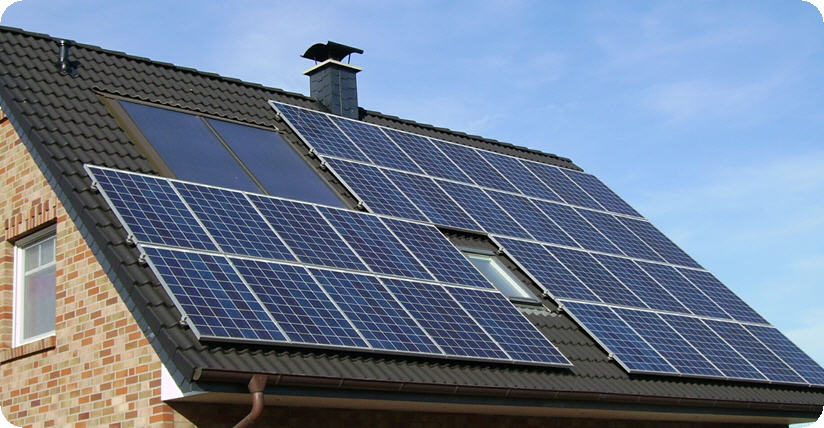
Assessing Whether Solar Panels Make Sense for You

As  reported in The Times, legions of companies will offer to install a system at no upfront cost and promise customers cheaper, cleaner electricity over the course of 20 years. Some are small and local, while others, including SolarCity, Sunrun, Sungevity and SunEdison, are larger, with national or even international reach. Some large manufacturers, like SolarWorld, even offer financing plans for home installations.

Contact the appraisers at www.scappraisals.com for your solar value questions.

For residential customers, the deals can seem attractive. The company arranging the financing for the system usually owns and operates it, selling the electricity back at a rate generally lower than what the utility would charge. Depending on the company and the state, the details vary. In some cases a customer pays a preset rate for the electricity used, known as a power purchase agreement. In others, the customer leases a system, paying a set monthly charge for a guaranteed amount of power.

Part of the appeal here is that customers can not only reduce their energy costs but fix them for a long period of time, avoiding the unwelcome surprise of a suddenly high bill because, say, natural gas prices have shot up again. Customers also avoid having to figure out how to claim the various incentives and benefits for which they qualify as a renewable energy producer.

But there are some things to look out for. Going solar does not mean going off the grid. A typical roof array will not handle all of a home’s electricity needs since it produces power intermittently. So customers will still get a bill from the utility, though probably a much smaller one. Many contracts also have escalator clauses, with the payments increasing over time, so it is important to determine if your energy costs are likely to go up or down if you were to stick solely with the utility.

Read more at: http://green.blogs.nytimes.com/2012/05/09/how-to-assess-whether-solar-panels-make-sense-for-you/#more-140266

Disclaimer: for information and entertainment purposes only

Energy Manidates in Calif for Homes Projected to Save $6000

New energy-conservation mandates for California are projected to save homeowners about $6,200 on energy bills over the life of a typical mortgage, but developers are concerned that required upgrades are too costly and could hamper home sales with little short-term benefit.

Contact the appraisers at www.scappraisals.com for your energy efficiency value questions.

Savings will come from hot water pipe insulation, better windows, whole house fans and other improvements that are projected to make homes and commercial buildings 25 percent to 30 percent more efficient than required by current standards, according to the California Energy Commission.

McMillin Homes president Guy Asaro said the mandates will cost about $3,500 per home in San Diego County — higher than the state average of nearly $2,300. That is “not a good investment” for homeowners, he said, because it could take nearly two decades to recoup those costs.

The Energy Commission’s latest conservation standards approved Thursday in Sacramento take effect in 2014, another step in a decades-long pursuit of efficiency. Changes to the initial 1978 standards are moving toward “zero net energy” buildings that can generate all the power they need with rooftop solar panels and the like.

“Over time, we really get to this idea of buildings that do what we want without having the unwanted side effects,” said Douglas Kot, executive director of the San Diego Green Building Council.

Nationwide, buildings account for about one-third of total energy use.

The latest changes to the state’s Building Energy Efficiency Standards were adopted during the regular three-year cycle of updates that has made California a national leader in driving down the amount of energy consumed per capita. New mandates stop short of requiring solar panels but say new commercial and residential buildings must be designed to support sun-based energy systems.

“Increasing building standards is one of the more cost-effective ways to move to a more sustainable energy future,” said Peter Hamilton, managing director of the California Center for Sustainable Energy in San Diego.

Read more at: http://www.utsandiego.com/news/2012/jun/02/tp-energy-mandates-for-homes-projected-to-save-6k/?print&page=all

Cocoon House

Inspired by the volcanic topography of Jeju island and the cocoon of a living organism, Seoul-based architectural practice, Planning Korea, completed their design for the Cocoon House, which is complemented with their amazing rendering techniques which is evident in their gallery of images. The cocoon, located at the center of the house, provides a space made by nature that protects and develops inner living things from outside. The first phase of the construction will be started in September 2012 and will be completed in 2015. More images and architects’ description after the break.

Their cocoon design creates a space like an art piece by translating the round shape of cocoon as an eco-structure design. This seaside condominium provides a self-sustaining creative business resort located in UNESCO Heritage Jeju Island. The circular windows of the cocoon can be opened and closed depending on the indoor and outdoor temperature and humidity, so it seems like a live cocoon.

Read and see more at: http://www.archdaily.com/230509/cocoon-house-planning-korea/

Disclaimer: for information and entertainment purposes only