Category Archives: Renewables and Energy

Eat Your Yard – Alternative to Sod

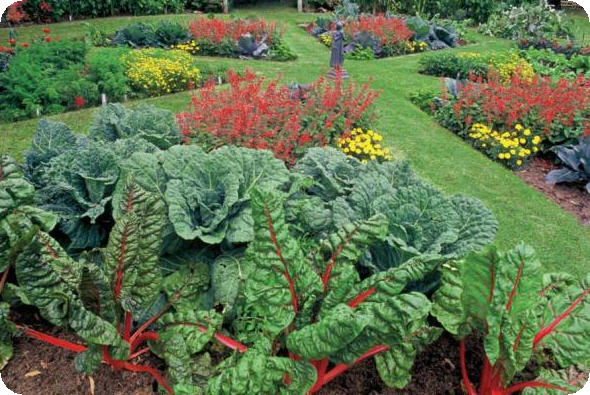
Consider replacing the typical landscape with decorative borders of herbs, rainbow chard and striking paprika peppers. Instead of the fleeting color of spring azaleas, try the year-round beauty of blueberries—or pear and plum trees, which put on a spring show of flowers, have colorful summer fruits and produce yellow fall foliage. These plants aren’t just pretty—they provide healthy food and save money and resources
 

Edible landscapes offer these incredible benefits:

Energy Savings: Food from your yard requires no shipping and little refrigeration. Plus, conventional farms use a large amount of energy to plow, plant, spray and harvest produce—planting and picking tomatoes in your front yard requires a miniscule amount by comparison.

Food Safety: You know which chemicals (if any) you use.

Water Savings: Tests show that most home gardeners use less than half the water to produce the same crop compared with large-scale agricultural production. Drip irrigation saves even more.

Money Savings: You can grow an unbelievable amount of food in a small, beautiful space. When I meticulously calculated the value of a 100-square-foot edible landscape I grew a couple of summers ago, I was amazed to find it had saved me more than $700! (Visit rosalindcreasy.com for exact figures for some popular crops.)

Better Nutrition: Fully ripe, just-picked, homegrown fruits and vegetables provide more vitamins and nutrients than supermarket produce, which is usually picked under-ripe and is days or weeks old when you eat it.

Read more: http://www.naturalhomeandgarden.com/natural-landscaping/eat-your-yard-edible-landscape.aspx#ixzz1Vs3ey0iM

Disclaimer: For Information and Entertainment Purposes Only
The Future of Solar Cells – Printed on Ordinary Paper

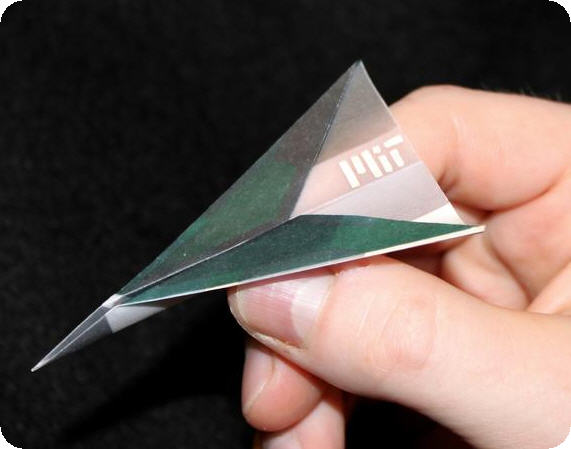
Engineers at the Massachusetts Institute of Technology have created ultrathin paper cells that gather enough juice to power a LCD clock and can be glued to a briefcase, stapled to a hat or folded into a pocket. The research is a first step toward a cheap and lightweight source of renewable energy that, within two years, may be used for everything from charging an iPad to warming up clothing.

Read more: http://www.denverpost.com/nationworld/ci_18556295?source=rss

Disclaimer: For Information and Entertainment Purposes Only
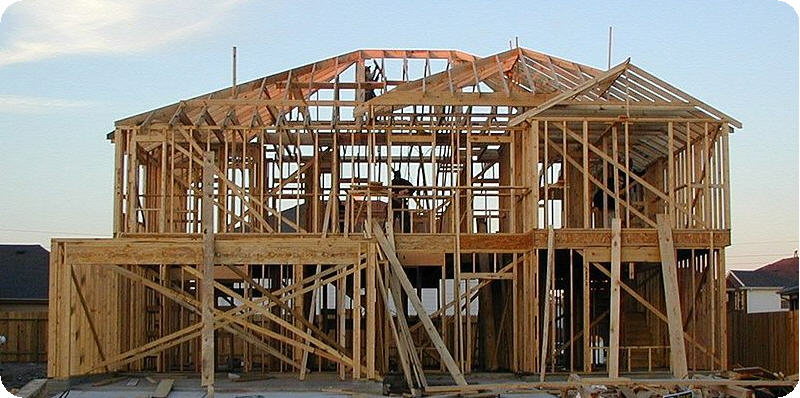
What are SIPs and Are They the Building Technology of the Future?

Most homes now are what they call stick-frame construction or light frame construction.  light-frame construction, is a building technique based around structural members, usually called studs, which provide a stable frame to which interior and exterior wall coverings are attached, and covered by a roof comprising horizontal ceiling joists and sloping rafters (together forming a truss structure) or manufactured pre-fabricated roof trusses—all of which are covered by various sheathing materials to give weather resistance.

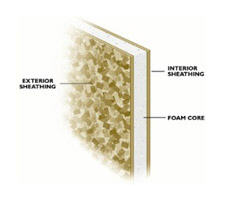
Structural insulated panels (SIPs) are high performance building panels used in floors, walls, and roofs for residential and light commercial buildings. The panels are typically made by sandwiching a core of rigid foam plastic insulation between two structural skins of oriented strand board (OSB). Other skin material can be used for specific purposes. SIPs are manufactured under factory controlled conditions and can be custom designed for each home. The result is a building system that is extremely strong, energy-efficient and cost-effective. Building with SIPs may save you time, money and labor.

SIPs are not a new technology in fact homes built in the early 1900s have been monitored since the 1930s by the US Government.

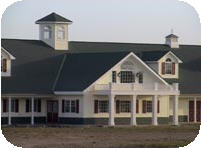
Here is an example of a SIPs home.

Read more at: http://www.usa-sips.com/faq.htm

Disclaimer: For Information and Entertainment Purposes