
Category Archives: Uncategorized

Beneficial Insects for Natural Pest Control

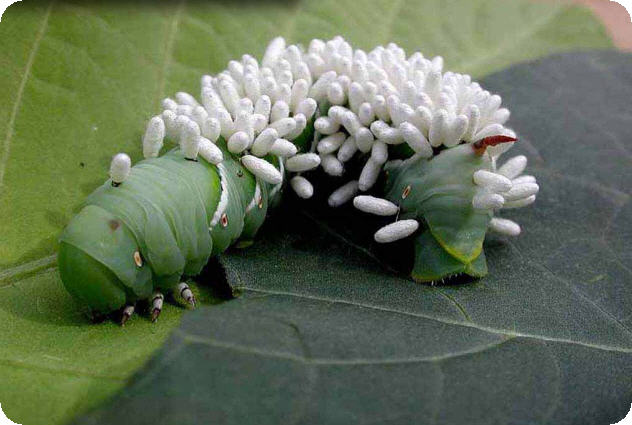
Day and night, pesticide-free organic gardens are abuzz with activity, much of it a life-and-death struggle between predators and prey. We seldom see much of this natural pest control, in which tiny assassins, soldiers and lions — aka “beneficial insects” (the bugs that eat other bugs) — patrol their surroundings in pursuit of their next meal. Assassin bugs aren’t picky: They will stab, poison and devour a wide range of garden pests, including caterpillars, leafhoppers and bean beetles. Soldier and carabid beetles work the night shift, emerging after dark from beneath rocks, mulch and other daytime hiding places to feast upon soft-bodied insects and the eggs of Colorado potato beetles. Aphid lions (the larvae of the lacewing) have a hooked jaw that helps them dispatch huge numbers of aphids, caterpillars, mites and other pests.

Simplifying Cross Ventilation

Ever heard the term “cross-ventilation” mentioned in a real estate ad or a story about a million-dollar architect-designed place, and thought it sounded like  scientific mumbo jumbo?

That’s the trouble with architect-speak sometimes, or techno talk of any kind – what is a relatively simple concept can suddenly look awfully complicated.

But anyone who has ever gone camping will be able to tell you the basics of cross-ventilation – opening up opposite windows (or tent flaps) to allow the air to flow from one side to another.

Advertisement: Story continues below

It’s the same thing that you would do if you have to sit in your car on a hot day. One window is simply not enough, but one open on each side of the car does the trick.

Cameron Rosen, managing director of Australian Living, a Sydney construction company with a sustainable bent, says the first step in planning for cross-ventilation is working out where the breezes are on your own site.

There’s several ways to do this – the simple golfer’s trick of throwing some dry grass into the air when the breeze is blowing to see which direction it’s coming from; keeping a close eye on trees, flags, a weather vane or a windsock to see how it behaves; or lastly, taking a look at the observations on the Bureau of Meteorology’s website for an area near you.

Read more at: http://smh.domain.com.au/blogs/talking-property/simplifying-crossventilation-20120403-1wa33.html

Disclaimer: for information and entertainment purposes only

Feast Your Eyes on Edible Gardens

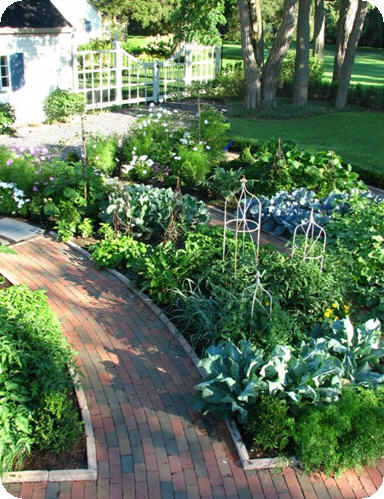
As more and more people look to grow their own vegetables and herbs, a question arises: Where to grow them? While a corner of the backyard has been the traditional spot, what do you do if your only sunny spot is in your flower garden, along the driveway or in the middle of the front yard?

Will this add value to your property?  Contact the appraisers at www.scappraisals.com for your value questions.

Fortunately, people are discovering that edible plants are beautiful in their own right and deserve to be the star of the landscape show. As a result, vegetables are growing right alongside their ornamental cousins — even crowding them out to take over as the main landscape feature.

It’s an old idea whose time has come again. Edibles were an essential part of the original English and American cottage gardens and the point of the French potager (kitchen garden). Today you’ll often find vegetables, fruits and herbs in both public and private landscapes all over the world.

See the gardens at: http://sfgate.houzz.com/ideabooks/1741788/list/Feast-Your-Eyes-on-Edible-Gardens/w/sid=1

Disclaimer: for information and entertainment purposes only