
Seminar Explores Solar Home Real Estate Transactions

Rene Seabourne is one of the professionals that will be speaking at this event.

CSE is presenting a seminar on solar home sales for real estate professionals focusing on the realities of how solar may affect pricing and time on the market from 11 a.m. to 1 p.m. on Monday, June 13.

More than 79,000 single-family homes in the San Diego area, or approximately 10-15 percent, are outfitted with solar photovoltaic (PV) systems, and the number continues to grow exponentially as solar contractors engage more customers with lease agreements. Known as solar leases or power purchase agreements, it’s a financing option typically offered with no upfront money and low-cost monthly payments while the solar installer or a third-party financing company owns the system. Nationwide, more than 70 percent of residential PV systems are sold this way.

While research conducted by CSE in 2015 shows leased solar has a minimal impact on home sales, either in terms of pricing or time on the market, buyers are often skeptical and unsure about how the lease agreement will transferred or bought out. The study showed that real estate agents play a key role in educating buyers about solar leases.

The real estate seminar will feature a panel of local and nationally recognized industry experts presenting on solar home valuations and real estate transactions in the San Diego area. Speakers will include experts on real estate sales, solar adoption, real estate appraisals, green building and financing – including solar loans and property assessed clean energy (PACE) loans.
San Diego – RV Crackdown Permanent

A two-year-old San Diego law credited with preventing boats and large campers from monopolizing parking spots, especially near the beach, became permanent legislation on Tuesday.

City Council members unanimously approved eliminating a “sunset clause” from the oversized vehicle ordinance based on positive feedback from residents, community leaders and the Police Department.

They say the law’s positive impact on safety, aesthetics and parking availability trumps the hassles it has created for some local recreational vehicle owners who have had to begin paying for storage lots or using their yards.

City officials estimate there are roughly 100,000 recreational vehicle owners in San Diego.

Some community leaders have also expressed concerns that the ordinance has increased homelessness by forcing some people who had been sleeping in RVs onto the streets.

This practice often means trash on the street, loitering outside the campers and other problems that turn some neighborhoods into makeshift campgrounds.

The law also cracks down on people who use city streets to park their boats, non-motorized vehicles and other large vehicles.

The law prohibits such vehicles from parking on any San Diego city street or in any public parking lot between 2 a.m. and 6 a.m., and makes it illegal to park those vehicles within 50 feet of any intersection at any time of the day.

An oversized vehicle is defined as one more than 27 feet long and more than 7 feet tall.

The law includes exemptions for school buses, some city vehicles and commercial vehicles making deliveries.

read more at: http://www.sandiegouniontribune.com/news/2016/may/17/recreational-vehicle-oversized-law-ban-beach/?#article-copy

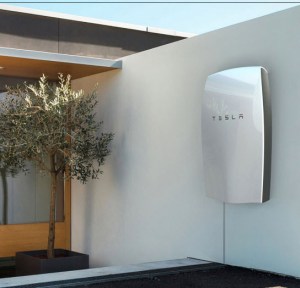
Off the grid living with solar panels and battery system

battery

“Twenty years ago, you would need a room full of batteries to keep your home powered, and it would set you back around $50,000 to $60,000 to do it. These days, you can achieve the same results with a cabinet the same size as a kitchen cupboard and will cost you from $15,000 to $30,000 (or $50 to $100 a week) for most homes.”

Will going solar add value to your home?  Contact the appraisers at www.scappraisals.com for your home value questions.

Tips for off-grid living

  • Monitor your home’s energy use with an inexpensive monitoring solution from OWL Intuition, Efergy or Solar Analytics. A company can interpret this data to determine the best off-grid products for your home.  Note:  these are Australian companies.
  • Work with companies that offer a range of technologies and have a track record of installing batteries.
  • Look for inverters that have charge controllers or battery management units already built in (usually called hybrid inverters).
  • Take a tour of an off-grid home for a first hand insight into the lifestyle.

read more at: http://www.domain.com.au/advice/solar-panels-and-battery-systems-power-offgrid-living-as-a-lifestyle-choice-20160521-gozo7b/

disclaimer: for information and entertainment purposes only