
Battery-powered homes are unplugging Australians; are Americans next?

solar batLithium-ion batteries from maker such as China’s Tianjin Lishen are already available in Australia, while consumer electronics giant LG Chem is also targeting Australia, as are California’s Enphase Energy and the Warren Buffett-backed BYD, also based in China.

Luring them here is the popularity of rooftop solar, which has created a huge market for storage systems that can soak up the excess power generated by solar PV panels during the day, which otherwise has to be fed back into the grid at little financial gain to homeowners.

Instead of having to draw on peak-tariff electricity from the grid in the evenings, a household can then use stored energy, saving money and helping prevent the grid from overloading. Batteries also provide back-up power for computers, lighting and life-support systems that have to stay on during power cuts.

Households could in theory even move into energy trading, based on power from their battery storage system.

John Grimes of the Energy Storage Council describes storage as “the missing link” and expects strong demand among those with rooftop solar, partly driven by the slashing of the tariffs paid by state governments for electricity fed back into the grid.

“Feed-in tariffs for solar PV around the country have really been cut to a punitive level so many people are now receiving 6¢ or 8¢ per kilowatt hour for the energy that they feed into the grid and are having to buy energy back at the full retail rate of 25 to 28¢ per kilowatt hour,” Grimes says.

Read more: http://www.smh.com.au/business/energy/how-batterypowered-homes-are-unplugging-australia-20150731-giogk2.html#ixzz3hZzuSFju

disclaimer: for information and entertainment purposes only.
How to update forgotten home decorating trends

retaining armchairs from the 50s, 60s or 70s to use as a design centrepiece in a room. Update a chair’s fabric, restore its weary legs with a lick of paint or vamp up its cushions with retro fabric.

Hold onto old ceramics and select pieces of your grandmother’s home furnishings.

Keep light fittings, floor lamps, side tables and classic wallpaper from retro eras.

• Preserve timber floors or paint them white.
• Restore soft furnishings in good nick
• Save retro dining tables and buffets

Quality not duration

“If you’ve got a retro piece and it has lasted the distance, it’s probably because it was really well made,” she says.

“These sorts of timeless classic pieces are worth keeping.”

However, Mahoney stresses, there is a huge difference between old and retro.

If products haven’t stood the test of time to-date, they will only disintegrate into the future.

Only hold onto items if they are durable. But dump:

• Sofas that are so old they smell;
• Disintegrating curtains;
• Grim fabrics;
• Rusted or worn furniture and
• Soft furnishings that are so old they will easily break.

read more at: http://www.domain.com.au/blog/how-to-update-forgotten-trends/

Weird Home Decorating Trends

toilet

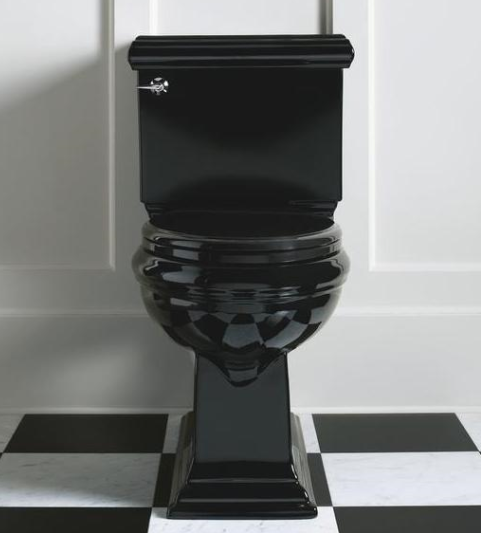
Just when you thought it was a truth universally acknowledged that toilets were white, along comes a trend to knock you off your perch. Or throne.

So black loos are now a “thing”. And in the interests of ensuring you won’t be caught off guard when the conversation next turns to interior design, we have compiled a brief round-up of surprising* new trends for the home.

Do with them what you will.

Black has been finding favour with interior designers for some time now, but its recent star turn in bathrooms takes the trend to the next level.

From toilets and sinks to taps, showerheads and toilet roll holders, bathroom accessory makers have embraced the dark side with gusto.

see more decorating trends at: http://news.domain.com.au/domain/real-estate-news/the-black-loo-and-other-trends-you-didnt-see-coming-20150729-gimqsv.html