
Replacing Your AC – Make Sure to Check New Homeowner Regulations

California’s new energy efficiency regulations, which started being enforced last summer, dramatically boost costs for owners of older homes when they need major maintenance on their systems for heating, ventilation and air conditioning. That’s because ducts must be “R-8” insulated and certified to be free of leaks, a standard that can force total replacement for many houses built before 2008.

Consider an instructive tale. In 2011, a homeowner paid $8,100 for a new, super-efficient heating and cooling system, complete with new ductwork, in a house that was renovated in Valley Center.

But this month, a nearly identical HVAC system cost $12,758 to buy and install. That’s because the job required more labor, permits and testing in a 1969 home in South Oceanside.

Both systems had identical efficiency ratings. So the new regulations added 57 percent to the costs — a  $4,658 .

read more at: http://www1.eere.energy.gov/buildings/appliance_standards/product.aspx/productid/75
If You Live In an HOA Replace Your Water Guzzling Lawn Without Penalty

drought

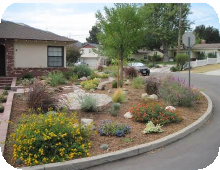
Gov. Jerry Brown signed a pair of bills September, 2014 that went into effect January 1, 2015 that protect residents in homeowners associations across San Diego County and California who want to replace their water guzzling lawns with drought tolerant plants, or just cut back on turf watering during a drought.

Brown signed Senate Bill 992, which prevents HOAs from imposing fines on residents who reduce or stop watering landscaping after the governor has declared a statewide emergency due to drought, as Gov. Brown did in January. The protections do not apply in HOA neighborhoods that use recycled water, according to the bill by Sen. Jim Nielsen, R-Gerber.

With the signing of Assembly Bill 2104, by Assemblywoman Lorena Gonzalez, D-San Diego, HOAs will be prevented from penalizing residents for replacing their lawns with low-water plants over concerns about a neighborhood’s character. It doesn’t take away the power of HOAs to establish landscaping rules, as long as they allow for drought tolerant plants.

read more at: http://www.utsandiego.com/news/2014/sep/18/hoa-drought-lawns-water-ab2104-gonzalez/

disclaimer: for entertainment and information purposes only

Leasing of Solar Panels May Not be An Asset When A House is Up for Sale

lease

Can going green by leasing solar panels for your roof cost you money — or headaches — when you go to sell the house?

Possibly both. Say you get pitched by one of the growing number of companies offering solar panels — at no upfront cost — that they claim will save you lots of money on electricity bills. Sounds like a slam-dunk. So you sign on. Then a few years later you decide to sell the house. You assume that the presence of solar panels can only be a marketing plus, maybe even get you a higher price. Everybody goes for green, right?

But that’s when it gets weird. Some would-be buyers balk when they learn that they’ll need to qualify on credit to take over your solar lease payments for the next 15 to 17 years. Others say they like the house but won’t sign a contract unless you buy out the remaining lease payment stream — $15,000 or $20,000 or more — because they’re worried that the solar equipment will become obsolete or won’t save as much on electricity bills as advertised.

Issues such as these are popping up increasingly in California and other states and are interfering with sales and closings, according to real estate industry experts.

Be aware of the potential complexities that can occur when you lease, rather than buy, solar panels. If you opt for a lease, understand your long-term obligations, and talk to your current utility company about the savings claimed. Most important: If you’ve got a leased system and plan to sell, contact the leasing company well in advance to learn about lease transfer and buyout options. That way, you’ll be ready if prospective buyers have problems with your panels.

read more at: http://www.washingtonpost.com/realestate/why-leased-solar-panels-may-not-be-an-asset-when-a-house-is-up-for-sale/2015/03/18/41392e26-cc0b-11e4-a2a7-9517a3a70506_story.html

Disclaimer: for information and entertainment purposes only