
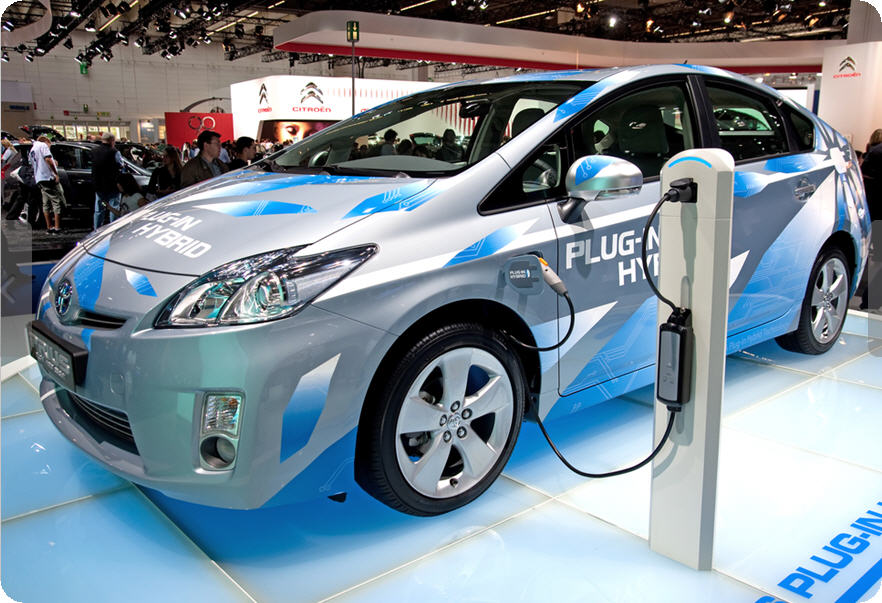
The Future of the Electric Car?

THE future would appear bright for the electric car. Gasoline prices are high. The government is spending billions on battery technology. Auto companies are preparing to roll out a dozen new electrified models. Concern is growing about the climate impacts of burning oil. And tough new fuel economy standards are looming.

Yet the state of the electric car is dismal, the victim of hyped expectations, technological flops, high costs and a hostile political climate. General Motors has temporarily suspended production of the plug-in electric Chevy Volt because of low sales. Nissan’s all-electric Leaf is struggling in the market. A number of start-up electric vehicle and battery companies have folded. And the federal government has slowed its multibillion-dollar program of support for advanced technology vehicles in the face of market setbacks and heavy political criticism.

Read more: http://www.nytimes.com/2012/03/25/sunday-review/the-electric-car-unplugged.html?_r=1&hp=&adxnnl=1&adxnnlx=1332605876-3mmg0KMwsb/K17gcFtHGZA

Disclaimer: for information and entertainment purposes only
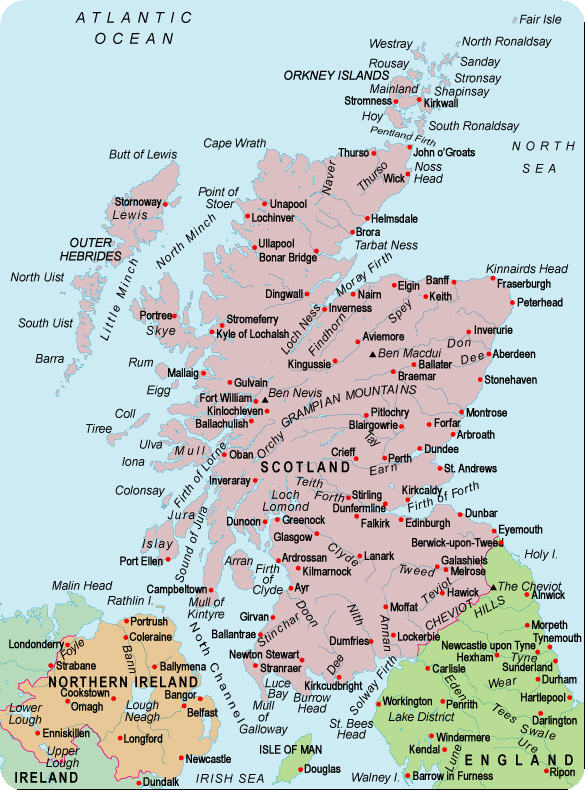
Offshore Windfarm Planned off the Coast of Scotland

Spanish wind power company Gamesa will build a £125m offshore windfarm facility in the port of Leith, creating around 800 jobs, it said on Friday.

 The announcement comes just days after George Osborne said in his budget that “renewable energy will play a crucial part in Britain’s energy mix”, after warnings by major wind companies that their investments in the UK were under threat from political uncertainty.

 The manufacturing facility, on the northern edge of Edinburgh, will produce blades and generator units for offshore wind turbines, which David Cameron said at a major speech on Monday would be the focus for UK renewable energy because of energy security and the economic opportunity it presented.

 David Cameron today welcomed Gamesa’s investment: “This is fantastic news for Scotland and shows that the UK remains an attractive place for foreign investment. Scotland benefits from UK-wide initiatives to promote renewables and access to the entire UK consumer market. That, coupled with the economic security that comes from being part of one of the world’s most successful unions, makes Scotland an obvious place for companies like Gamesa to invest in.”

Disclaimer: for information and entertainment purposes only

Jungleland – 9th Ward, New Orleans – 7 Years Post Katrina

We have snakes,” Mary Brock said. “Long, thick snakes. Kingsnakes, rattlesnakes.”

Brock was walking Pee Wee, a small, high-strung West Highland terrier who darted into the brush at the slightest provocation — a sudden breeze, shifting gravel, a tour bus rumbling down Caffin Avenue several blocks east. But Pee Wee had reason to be anxious. Brock was anxious. Most residents of the Lower Ninth Ward in New Orleans are anxious. “A lot of people in my little area died after Katrina,” Brock said. “Because of too much stress.” The most immediate sources of stress that October morning were the stray Rottweilers. Brock had seen packs of them in the wildly overgrown lots, prowling for food. Pee Wee, it seemed, had seen them, too. “I know they used to be pets because they are beautiful animals.” Brock corrected herself: “They were beautiful animals. When I first saw them, they were nice and clean — inside-the-house animals. But now they just look sad.”

Read more at: http://www.nytimes.com/2012/03/25/magazine/the-lower-ninth-ward-new-orleans.html?pagewanted=all

Disclaimer: for information and entertainment purposes only.