Trades Going Green

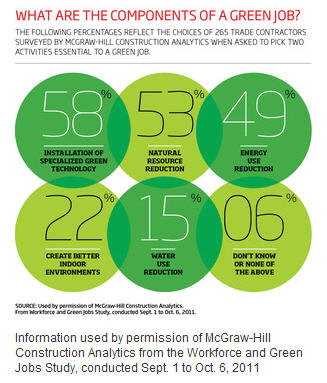
Specialty contractors work in the trenches of green building, performing the hands-on tasks that make sustainable buildings a reality. High-performance systems installed by workers in the field are critical to green goals, but not everyone recognizes the role of the trades in sustainability. New training programs aim to change the mindsets of specialty contractors, while familiarizing them with the emerging systems and techniques in green building.

“Some of the big myths are that [trade contractors] don’t matter in green buildings; that they only build from drawings; that they are a cog in the machine,” says Russell Unger, executive director of the Urban Green Council in New York City. “The truth is, they make decisions every day that impact the performance of a project.”

Within the burgeoning green education movement, much of the initial focus has been on designers, but an increasing number of green training and certification programs aimed at contractors have launched in recent years. In January, the Urban Green Council set out to tackle the issue with GPRO—a comprehensive training program that focuses on the people who build green projects. Initially established by Urban Green Council in New York, the program is already spreading nationally, adding programs in New Jersey, Illinois, Colorado, and Texas.

read more at: http://greensource.construction.com/features/other/2012/1201-Features.asp

Disclaimer: for information and entertainment purposes only

Life as a Landlord

I’M a landlord in Lakewood, Ohio, a Cleveland suburb near where I live that is predominantly prewar apartment buildings and double houses. In Cleveland — and probably most of the Midwest — you can get a clean one-bedroom in a decent neighborhood for $500. No air-conditioning and no dishwasher, but the unit is painted and has refinished hardwood floors.

I once had a tenant, Stan, who paced those floors at 3 a.m., waking up the people below. When I asked Stan to ease up, he said: “What do you want from me? I can’t fly.”

He moved out shortly after that.

read more at: http://www.nytimes.com/2012/02/29/opinion/rental-business-picks-up.html?_r=1&ref=realestate

Earthquake Insurance – AAA Gives Advice

WESTWAYS: Why is earthquake insurance needed?
Glenn Pomeroy:
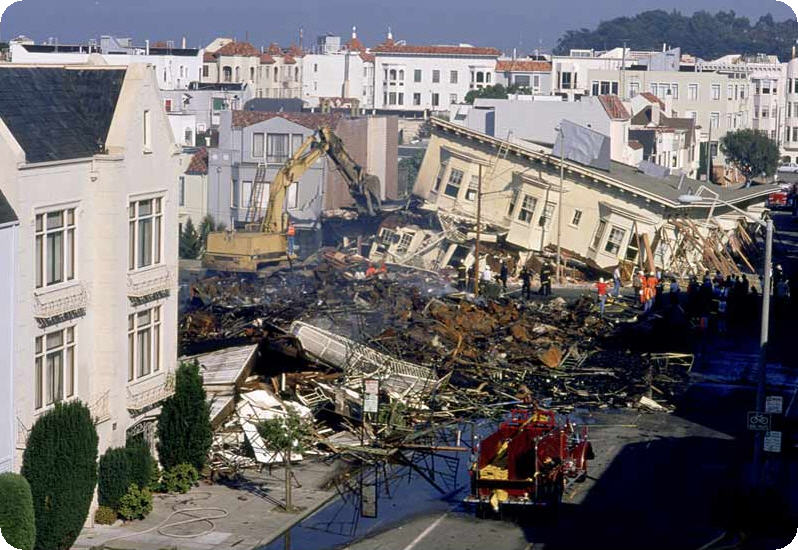
Most homeowners policies totally exclude damage caused by shaking from an earthquake. The only way to insure your house from earthquake damage is through a separate earthquake policy. The federal government may provide disaster assistance with low-interest loans and other types of assistance, but they won’t come in and rebuild homes after an earthquake.

WW: What is the insurer’s role?
GP:
 The CEA doesn’t have insurance agents or claims adjusters. Participating insurers handle all customer-service functions. To buy earthquake insurance, you call the company that insures your house and, if it’s a CEA member company, you can buy a CEA policy through it. If there were a major earthquake, your insurance company would send out its adjusters, who are trained to respond.

WW: Does the CEA policy cover everything that the homeowners policy covers?
GP:
No. The CEA policy is a typical catastrophe policy of basic coverage and a high deductible that’s designed to help your family recover and rebuild. It covers the replacement cost of your house as determined by the dwelling coverage limit in your homeowners policy and provides some limited coverage for the contents of your house. It does not cover property like swimming pools or fences. If it covered everything your homeowners policy covered, the premium would be much higher. The CEA program is intended to offer insurance that is as affordable as possible to help someone recover from a major event.

WW: Why don’t more people buy earthquake insurance?
GP:
Oftentimes people mistakenly think their homeowners policy provides coverage, or they think earthquake coverage is too expensive. But consider: What’s your major asset? It’s your home. So what’s the cost of not being protected? When an uninsured residence is destroyed, everything can be lost.

Read more: http://www.calif.aaa.com/westways/2012/01-02/Pages/standing-on-solid-ground.aspx?zip=92626

Disclaimer: for information and entertainment purposes only