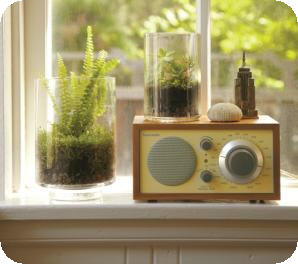
Green up your Desktop With a Simple Terrarium

 
Easy to make and maintain, terrariums are perfect for brown thumbs, but garden enthusiasts will also enjoy creating these miniature landscape designs. Transform empty bottles into happy DIY terrarium homes (see “Bottle Remodel” further along in this article), or scour your kitchen cabinets, recycling bins and local thrift stores for clear glass containers with wide mouths. Once you’ve selected your container, fill it with small, slow-growing plants. Opt for one striking specimen, or select an odd number of plants with similar needs in a variety of shapes and colors. If you want to grow your terrarium in a lidded container, choose plants that prefer humidity.

Read more: http://www.naturalhomeandgarden.com/green-homes/diy-projects/how-to-make-a-terrarium-zmlz12mazmel.aspx#ixzz1nh08t633

 
Disclaimer: for information and entertainment purposes only
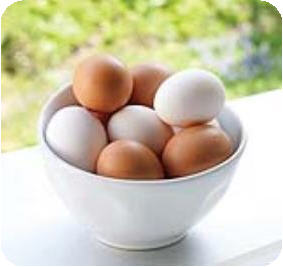
Eating With the Seasons – Meat, Eggs; Save Money

 
Most of us know that fruits and vegetables are more abundant in some seasons than others, but not everyone realizes the same is true for meat and eggs. As a farmer, I think a lot about these seasonal cycles because getting supply to match demand is one of my biggest challenges. One of the best ways to even out the flow is to find customers who enjoy eating with the seasons—buying extra at some times and not demanding seasonal foods during hard-to-produce times. This often means preserving some for later use rather than eating an abundance of tomatoes or beef right now. When it happens, this synergism between season, farmer and patron is a dance that honors the natural ebb and flow of production. Cyclical menus stimulate an awe and respect for local food connections. And such conscious planning is good for pocketbooks—of both farmer and patron.

Seasonal Eating: Meat

Tremendous money and effort is expended maintaining production anti-seasonally, but meat is best in certain seasons, just as produce is. Forage-fattened beef is best in the fall. Once the frost has killed flies and sweetened the grass, cows are more comfortable than at any other time of the year. They naturally ramp up their forage intake in fall to get through the lean, hard winter. On the other hand, spring is when chickens lay lots of eggs, some of which become baby chicks. Seasonally speaking, it makes sense to eat chicken in the summer and beef in winter.

When buying meat from local farmers, you’ll find that eating the whole animal is a related issue. A chicken consists of much more than a boneless, skinless breast. The only way those can be offered in the supermarket is because the industry grinds and reconstitutes the rest into lunch meat and McNuggets, using low-wage labor and high volume to justify the sophisticated machinery. In the supermarket, boneless, skinless chicken breasts require an industrial approach to food preparation, but at home, it’s a different story. You can eat the breast, but also cook the rest of the chicken for casseroles, and freeze the broth for stock.

Read more: http://www.naturalhomeandgarden.com/eat-healthy/local-food/eating-with-the-seasons-zmoz12mazmel.aspx#ixzz1ngvujp4y

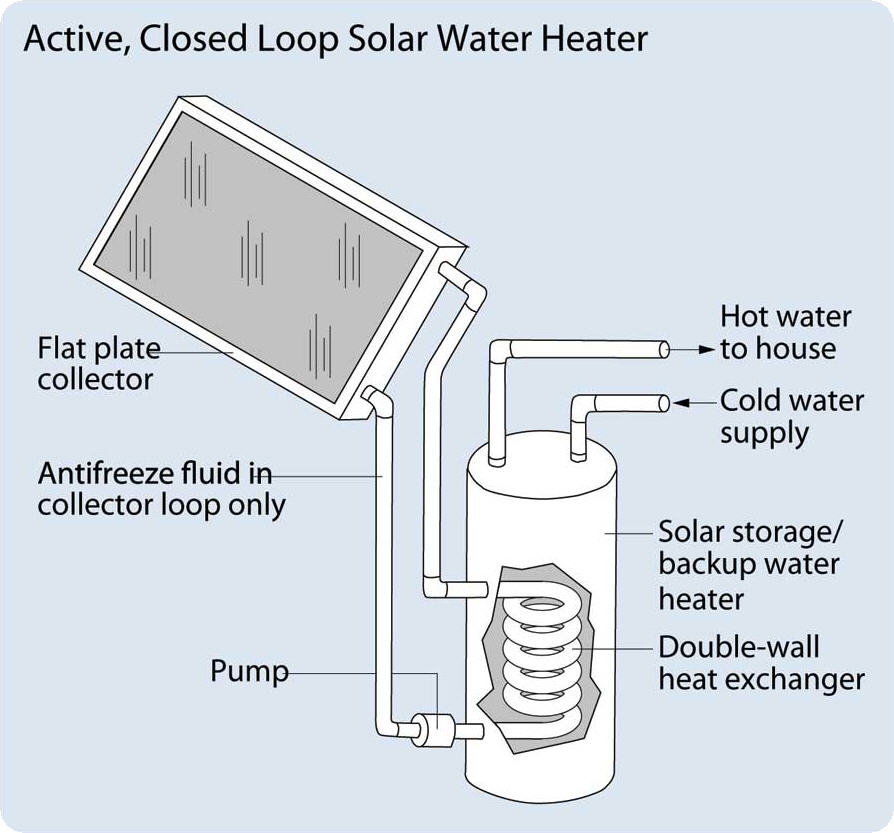
Harvest the Sun With Solar Water Heaters

 
Barb and Joe Gordon were delighted the day they had a solar hot water heater installed on their suburban Chicago home, boosting their energy independence and helping to create a cleaner world. Now when they use hot water, they take pleasure in knowing it is heated by the sun. The Gordons estimate that their 64 square feet of solar collectors heats 70 percent of the hot water the family of four uses annually, requiring their backup natural gas hot water heater to fire up infrequently.
 
Conventional hot water heaters are responsible for up to 25 percent of a home’s total energy use, so a solar hot water heater can significantly reduce a house’s carbon footprint and energy bills. In most residential installations, a separate solar hot water storage tank feeds a conventional natural gas, electric or propane hot water heater, which serves as a backup if needed. This ensures the home will never be without hot water—even after a few cloudy days. When quality components are used, systems can last 20 to 30 years and require little maintenance. Three main types of solar collectors are typically used for residential applications.

Read more: http://www.naturalhomeandgarden.com/green-homes/alternative-energy/solar-water-heaters-zmhz12mazmel.aspx#ixzz1ngt8kWJm

 
Disclaimer: for information and entertainment purposes only