
Can replacing our copper pipes with plastic add value to our home?

Plastic pipes or flexible pipes are being used more often, simply because they are more pliable, and that makes installations easier and cheaper than copper.   Plumbers can use them to create systems with uniform pressure and volume distribution to fixtures and to run independent hot and cold lines to each fixture in the house. 

Easily bent material reduces that potential knocking noise inside the walls.  This sort of piping MUST be protected from surface damage when passing through floor joists and studs.

What about leaching of BPA?  chemicals from the plastic pipes manufactured these days have to meet certain standards.

If you want copper it is recommended to use a Type L pipe (has greater wall thickness; which makes it last longer) used in commercial and industrial applications instead of Type M which is designated for residential.  Of course Type L cost more.

Thanks to Martin Wroblewski, Express Rooter Plumbing, Toronto

Will this add value to my home?  Depends.  Contact the green property specialists at www.socalappraisalserv.com to assist you.


disclaimer: Content for information and entertainment purposes.
Lower your pets carbon footprint and create a dog-friendly yard

Planting a native kind of grass and insect repelling flowers such as marigolds and amaranth and herbs can discourage weeds and pests which cuts down and/or eliminates pesticides.  Eve Adamson author of “Pets Gone Green” says the right vegetation—especially native plants—can also encourage local wildlife to visit, which helps pets de-stress and get back in touch with their natural instincts.

Fight lawns weeds naturally by spreading corn meal gluten before they emerge. Tom Barthel author of “Dogscaping” recommends using ground cayenne and/or red pepper flakes on or around plants to discourage animals from chewing, while hot sauce sprinkled on leaves helps keep deer away.

Dog Waste Disposal:

Your compost heap may seem like a reasonable dog-waste disposal option. However, Barthel says you should never put poop in compost that will be spread on lawns or plants; because dogs eat meat, their feces may carry parasites that can infect humans if transferred to the soil.

Instead, Barthel suggests installing a special dog waste digester away from commonly used parts of the yard. Drill holes in the bottom of a small trash can, dig a hole and bury the can. Load it up with dog waste, sprinkle some composting enzymes (and kitty litter or pulverized lime if odor is a problem) and let it drain into the soil without harming people or the environment.

Read more about greening your yard for your pets at:http://www.energytimes.com/pages/departments/1106/earthmatters1106.html

If you have questions regarding value and “greening”your yard contact the appraisers at www.socalappraisalserv.com


Disclaimer: Content for information and entertainment only


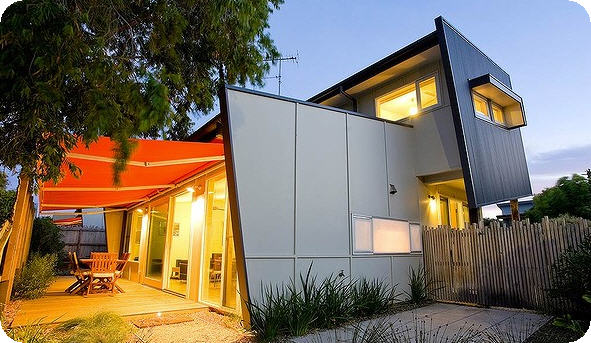
Award winning green property from Oz

Here is a great example of a green property townhouse.  There are two semi-detached units on the same foundation. 

This property used many off-the shelf and recycled products and worked within a strict budget.

Energy saving :  large spans of glass which allows natural light in, passive solar design, double glazed windows used sparingly and strategically, a flexible folding-arm awning, wind and sun sensor, recycled concrete floor, R3.2 and R5.2 insulation and lots more.  The property received above 6 stars energy rating.

Read more about this property:http://smh.domain.com.au/real-estate-news/award-winner-leans-sharply-to-green-20110715-1hgva.html