Contact or listen to local reports for when the experts believe it is safe to return to your home. Even though your neighborhood made it through the storm ok the surrounding streets may be impassable.
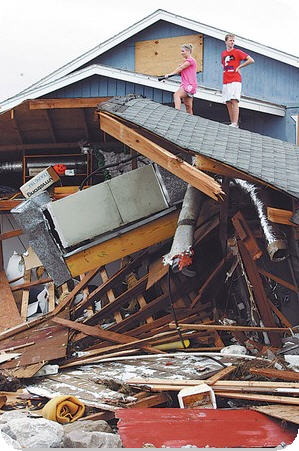
Returning home can be both physically and mentally challenging. Above all, use caution.
It may be emotionally overwhelming for some to return to their home but remember your alive, and your family is alive and everything else can be replaced.
General tips:
-
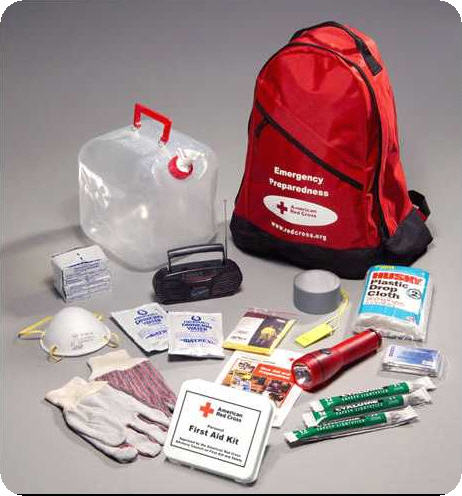
Keep a battery-powered radio with you so you can listen for emergency updates and news reports.
-
Use a battery-powered flash light to inspect a damaged home.Note:The
-
flashlight should be turned on outside before entering—the battery may produce a spark that could ignite leaking gas, if present.
-
Watch out for animals, especially poisonous snakes. Use a stick to poke through debris.
-
Use the phone only to report life-threatening emergencies.
-
Stay off the streets. If you must go out, watch for fallen objects; downed electrical wires; and weakened walls, bridges, roads, and sidewalks.
Before your Enter Your Home:
Walk carefully around the outside and check for loose power lines, gas leaks, and structural damage. If you have any doubts about safety, have your residence inspected by a qualified building inspector or structural engineer before entering.
Do not enter if:
- You smell gas.
- Floodwaters remain around the building.
- Your home was damaged by fire and the authorities have not declared it safe.
Going Inside Your Home:
When you go inside your home, there are certain things you should and should not do. Enter the home carefully and check for damage. Be aware of loose boards and slippery floors.
The following items are other things to check inside your home:
-
Natural gas. If you smell gas or hear a hissing or blowing sound, open a window and leave immediately. Turn off the main gas valve from the outside, if you can. Call the gas company from a neighbor’s residence. If you shut off the gas supply at the main valve, you will need a professional to turn it back on. Do not smoke or use oil, gas lanterns, candles, or torches for lighting inside a damaged home until you are sure there is no leaking gas or other flammable materials present.
-
Sparks, broken or frayed wires. Check the electrical system unless you are wet, standing in water, or unsure of your safety. If possible, turn off the electricity at the main fuse box or circuit breaker. If the situation is unsafe, leave the building and call for help. Do not turn on the lights until you are sure they’re safe to use. You may want to have an electrician inspect your wiring.
-
Roof, foundation, and chimney cracks. If it looks like the building may collapse, leave immediately.
-
Appliances. If appliances are wet, turn off the electricity at the main fuse box or circuit breaker. Then, unplug appliances and let them dry out. Have appliances checked by a professional before using them again. Also, have the electrical system checked by an electrician before turning the power back on.
-
Water and sewage systems. If pipes are damaged, turn off the main water valve. Check with local authorities before using any water; the water could be contaminated. Pump out wells and have the water tested by authorities before drinking. Do not flush toilets until you know that sewage lines are intact.
-
Food and other supplies. Throw out all food and other supplies that you suspect may have become contaminated or come in to contact with flood water.
-
Your basement. If your basement has flooded, pump it out gradually (about one-third of the water per day) to avoid damage. The walls may collapse and the floor may buckle if the basement is pumped out while the surrounding ground is still waterlogged.
-
Open cabinets. Be alert for objects that may fall.
-
Clean up household chemical spills. Disinfect items that may have been contaminated by raw sewage, bacteria, or chemicals. Also clean salvageable items.
-
Call your insurance agent. Take pictures of damages. Keep good records of repair and cleaning costs.
For more information go to: http://www.fema.gov/pdf/areyouready/recovering_from_disaster.pdf
Disclaimer: For Information and Entertainment Purposes Only.



 Green Real Estate Appraiser