
Tag Archives: real estate appraisal

Nature’s Wrath – Are You Prepared for Damage from a Natural Disaster

You’ve probably seen TV footage showing the aftermath of natural disasters: trees tossed through roofs by windstorms, homes burned to the ground by wildfire, living rooms underwater after a flood. First you feel sympathy, then concern. What if something like that happened to you? Would your homeowners insurance policy cover the damage?

What is the value of your home when a disaster hits?  Contact the appraisers at www.scappraisals.com for your value questions

The answer is . . . maybe. Insurance coverage for damage caused by such events varies widely, depending on where you live and what kind of coverage you’ve purchased. For example, your aunt who lives five minutes away might live in a flood zone and be required to carry flood insurance, but you might not.

The best way to determine what coverage you have—and need—is to talk with your insurance agent. To help you start that conversation, here’s a guide to typical disaster-related insurance coverage.

Fire
Nearly all homeowners policies cover fire damage, whether caused by a lightning strike, kitchen fire, or wildfire. However, some cover the entire cost to rebuild your home to current standards regardless of the rebuilding cost, and others cover only up to a specific limit. If you’ve built an addition or remodeled since your policy was originally purchased, ask your agent to make sure you have adequate coverage to rebuild. Also, ask about loss-of-use coverage, which would help pay for additional living expenses while your home is being rebuilt or repaired.

Flood
If you live in a flood-prone area, your mortgage lender probably requires you to carry flood insurance. Most home insurance carriers, including the Auto Club’s insurance affiliate, do not write flood insurance.

Instead, you must buy coverage through the National Flood Insurance Program (NFIP), which works with private insurers that sell and administer the flood policies for the NFIP in participating cities and counties. NFIP insurance covers damage to your home and its contents only in specific situations—when inland waters overflow, for example. More information is available from the National Flood Insurance Program website.

read more at: http://www.calif.aaa.com/westways/2012/07-08/Pages/natures-wrath-homeowners-insurance.aspx

Disclaimer: for information and entertainment purposes only
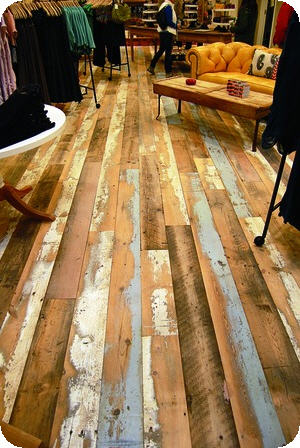
Reclaimed Wood Products

Reclaimed Wood Products
Pioneer Millworks remills salvaged wood into flooring, timbers, cabinetry, stair parts, doors, siding, and trusses. The company’s primary wood is longleaf yellow pine, but chestnut, oak, Douglas fir, and white pine are also available. Pioneer Millworks also makes engineered flooring composed of a 3/16″-thick layer of FSC-certified reclaimed or fresh-sawn wood on a plywood platform that is 70% (minimum) FSC-certified using low-VOC adhesives.

LEED value
• MRc3: Materials Reuse
• MRc7: Certified Wood

Will this add value to your home?  Contact the appraisers at www.scappraisal.com for your value questions.

FSC-Certified Bamboo Flooring
Nadurra bamboo flooring is available in formaldehyde-free and FSC-certified composite and solid bamboo styles. For commercial use, the company offers its Traffic Composite series, which is 180% harder than maple and is factory-coated with nine layers of Bona’s waterborne, commercial-grade polyurethane, making it appropriate for areas with heavy foot traffic. Nadurra bamboo flooring comes in multiple sizes and colors, and in vertical or horizontal laminate patterns.

LEED value
• MRc6: Rapidly Renewable Materials
• MRc7: Certified Wood
• IEQc4.3: Low-Emitting MaterialsFlooring Systems

Read more at: http://greensource.construction.com/products/2012/1205-product.asp

Disclaimer: for information and entertainment purposes only

Home Safety To-Do List

Summer is a great time to tackle those home-improvement projects, such as painting the dining room or installing new curtains. Why not add a few to-dos that will make your house safer from threats such as fire and flooding? These projects don’t require much time or money, and they could help you avoid having to make a homeowners insurance claim in the future.

Check plumbing for leaks in the kitchen, the bathrooms, and the laundry room

  • Cost: Free
  • Time: Up to an hour
  • Materials needed: None
  • Why you should do it: The largest number of homeowners insurance claims are due to water damage caused by broken pipes and supply lines, says Joe Wagdy, Auto Club claims unit manager. If you catch a leak early on, you can have the plumbing repaired before the drip becomes a deluge. Check everywhere, from the water heater to behind the refrigerator to inside the toilet tank; any faulty connection can lead to flooding.

Inspect all electric cords in your house

  • Cost: Free, or $30–$50 if you need new cords or surge protectors
  • Time: 30 minutes
  • Materials needed: New surge protectors and cords, if necessary
  • Why you should do it: Damaged electric cords and overloaded outlets can cause failure to the fixture, appliance, or receptacle they are connected to. Since power strips and extension cords tend to be hidden behind large pieces of furniture, many people don’t see the safety hazard until it’s too late. Be sure to check behind entertainment centers, computer desks, and anywhere else you use a lot of electronics, and replace damaged cords. If you find that circuit breakers in your home trip periodically, evaluate outlets and power strips to make sure they are not overloaded. If you have more than two fixtures or appliances plugged into one outlet, use surge protectors.

Read more: http://www.calif.aaa.com/westways/2012/06/Pages/home-safety-to-do-list.aspx

Disclaimer: for information and entertainment purposes only