
What are modular Homes?
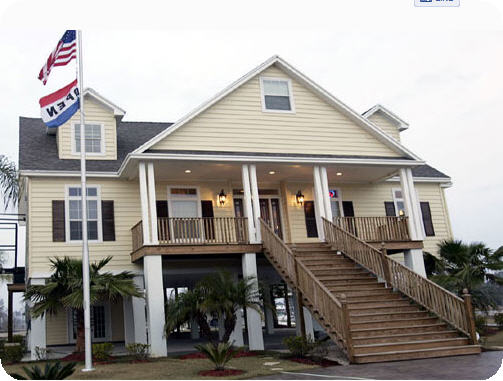
Modular buildings and modular homes are sectional prefabricated buildings or houses that consist of multiple modules or sections which are manufactured in a remote facility and then delivered to their intended site of use. The modules are assembled into a single residential building using either a crane or trucks.
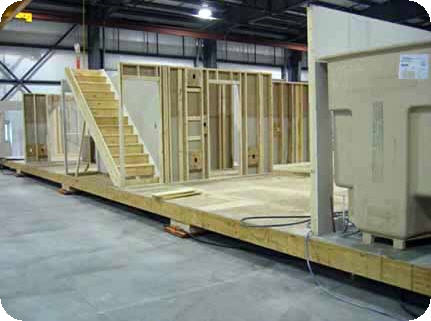
Modular buildings are considerably different from mobile homes/trailers. Off-frame modular dwellings differ from mobile homes largely in their absence of axles or a frame, meaning that they are typically transported to their site by means of flat-bed trucks; however, some modular dwellings are built on a steel frame (on-frame modular) that can be used for transportation to the site. Many modular homes have multiple levels. Homes are often set in place using a crane.
How would an appraiser handle the “modular home?” (contact the appraisers at www.socalappraisalserv.com with more specific questions). The manufactured homes of olden times usually was commonly known as a mobile home. Now the modular home competes with traditional stick built homes. With the passages of Title 25 in California these homes are now inspected in the same fashion, with the same right of exclusion to local Building Department inspections, that Manufactured Housing enjoyed for the last 25 years in California. Each home does have to be site specific, as to meeting or exceeding the seismic structural package and Title 24 energy requirements.
Watch: http://science.discovery.com/videos/build-it-bigger-hurricanes/ to see more on hurricane-proof homes and how they are built.
Most factory-built homes are comprised of three-dimensional modules. These modules are transported to a home site and installed on a state approved foundation or support system. California law clearly distinguishes among the types of factory-produced homes by the building code to which the home must comply.
- Manufactured homes (also known as HUD code units)are constructed to comply with the National Manufactured Home Construction and Safety Standards (24 CFR 3280), a uniform federal building code administered and enforced by the U.S. Department of Housing Urban Development. Most factory homes constructed in California each year meet this code.
- Modular homes (also known as FBH units), are constructed to comply with the California Uniform Building Code (CBC Code), which is incorporated into law at Title 25, Chapter 3 of the California Administrative Code. This is the same Building Code that all Site Built Construction conforms to.
- Mobile homes were constructed to comply with standards enforced by the State of California prior to June 15, 1976, when the federal preemptive HUD Code became effective. Even though there is a significant number of mobile homes in the existing housing stock.
For more information go to: http://www.californiamodularbuilders.com/faq?page=3
Disclaimer: For information and entertainment purposes only.



 Green Real Estate Appraiser