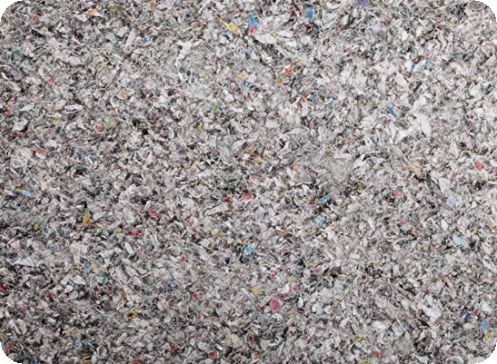
Cellulose fiber. Which is nothing but old newspapers, cardboard boxes, and other kinds of waste paper . . . ground up fine . . . and treated with some readily available and inexpensive chemicals to make it self-extinguishing and vermin-proof.
It’s hard to think of a more readily available, a simpler, or a less costly insulation . . . yet the “R” factor (the higher the “R”, the better) of each inch of cellulose fiber is a very respectable 4. Even when you buy it ready-made, then, this is an extremely cost-effective insulation. And when you make it yourself your savings can really skyrocket!
The only “complication” we’ve found about this whole do-it-yourself project is that nothing less than a real, live, genuine hammermill will handle the grinding of the cellulose the way it should be handled. Little garden mulcher-type “shredder grinders” simply won’t chew either paper or cardboard into the fluffy, fuzzy mass of fibers that makes the best insulation. (Rule of thumb: If you can still read whole words on your ground newsprint, it wasn’t ground finely enough.)
What you want to do then (if you don’t already have one) is rent or borrow or barter some time on one of the feed-grinding hammermills that many farmers own (the units are very much like the leaf grinders and limb shredders that you frequently see utility line crews using alongside the road).
Take care, too, to see that all the paper and cardboard you feed through the grinder is bone dry and stays that way (moisture can cause the shredded cellulose to “compost”). And always wear a respirator mask to protect your lungs from both paper dust and fine chemical particles as you work.
That last caution, by the way, is by no means meant to suggest that the chemicals used to treat the cellulose are in any way highly dangerous. Boric acid, the fire retardant used by most manufacturers of this insulation, is — as you probably know — so mild that doctors have frequently prescribed it as an eyewash. This particular fireproofer is now in such short supply, however (because of the current tremendous demand for insulation), that MOTHER’s research crew has tested and presently recommends fireproofing cellulose insulation with borax. And borax, as you’re surely aware, is so safe that it’s the major ingredient in some laundry soaps.
Read more: http://www.motherearthnews.com/diy/how-to-make-and-install-your-own-insulation-zmaz77ndzgoe.aspx#ixzz3O9c7Ndc8
Disclaimer: for information and entertainment purposes only