
Go to: http://www.utsandiego.com/news/2012/nov/24/tp-baby-steps/
New Plug-In Cars Said to be Catching On
Sales and leases of plug-in vehicles in California continued to accelerate in October, likely topping 2,000 autos for the first time.
The October estimate comes from the California Center for Sustainable Energy, which administers the state’s zero-emission vehicle program, providing up to $2,500 toward purchases and three-year leases. The center received 1,820 rebate applications during the month of October, its highest participation to date.
Actual sales figures are higher, however, because of a lag in application submissions and the fact that some buyers never apply. Energy center Transportation Program Manager Mike Ferry said the trend is linked to more affordable leases on plug-in cars that incorporate a federal tax credit. “For the last three months we’ve seen pretty much a 30 percent increase in month-over-month sales” of zero-emission vehicles, Ferry said.
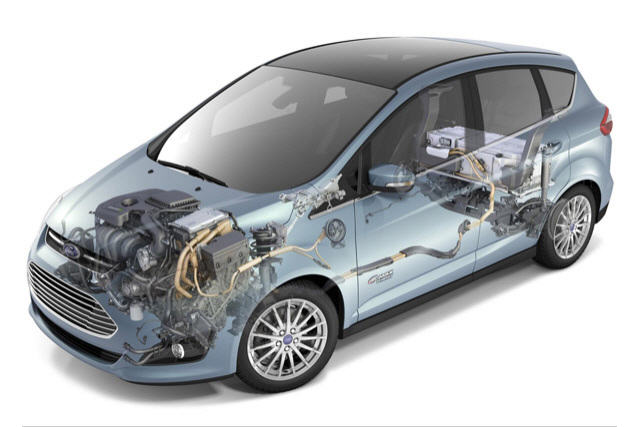
California is encouraging residents to adopt low-pollution vehicles in a bid to cut endemic smog and meet its goals for carbon-emission reductions. The state’s electrical grid depends on a relatively clean mix of power generation, weighted toward natural gas, nuclear power and — increasingly — renewable energy.
The Chevy Volt remains the state’s No. 1 selling plug-in car. It is being challenged by a new plug-in version of the Prius and, starting in December in San Diego, the plug-in Ford C-Max Energi, which is sized along the lines of the Prius V. Honda is rolling out an all-electric 2013 version of the Fit, starting with leases in California and Oregon. Prices for a base version of the all-electric Leaf sedan are expected to fall early next year after Nissan starts manufacturing in Tennessee.
More than 50,000 plug-in vehicles are on the road nationwide.
San Diegans Get Reimbursed for Your Rain Barrels
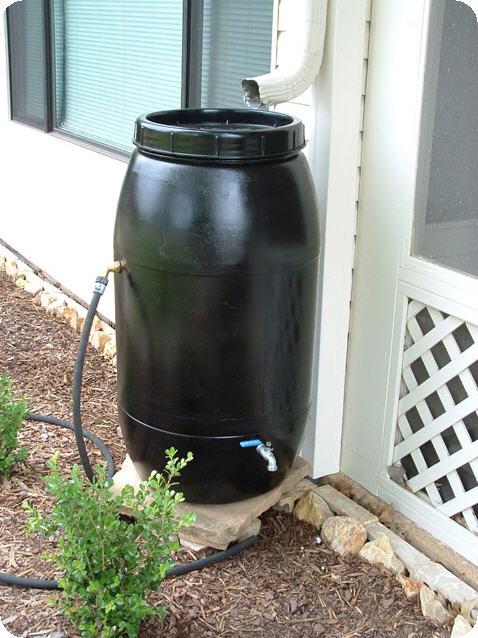
Investing in a rain barrel in San Diego may seem like an exercise in wishful thinking, but the city Storm Water Department is so sure it’s a good deal that it will help pay for it.
The department will reimburse 50 cents per gallon of rain barrel storage to residents who install the vessels at their homes, for a total rebate of up to $200.
The barrels connect to a home’s gutter spout and capture water flowing from the roof to irrigate yards and gardens. Rainwater harvesting is a technique dating to the Greek and Roman empires, where sophisticated collection systems captured rainwater for domestic and agricultural use.
In San Diego, rainwater collection can help preserve potable water for indoor use, officials say.
“Over 60 percent of S.D. water is used to water landscape, turf and other plants,” said Maureen Hall, a water conservation analyst for the Public Utilities Department. “Whatever small percentage we can save per person, per residence, is going to add up to a good amount of savings for San Diego. That’s more water for us to use for drinking, for bathing, for cooking.”
Collecting the water before it spills down streets and sewers also helps prevent stormwater pollution, Hall said.
Although the San Diego region only gets about 10 inches of rain per year, a 1,000-square-foot roof collects 625 gallons for every inch of rainfall.
A typical rain barrel holds 50 to 200 gallons, and easily fills up in a single storm, Hall said. Even the condensation from foggy nights and dewy mornings can top off a barrel, she said. Her own rain barrel collected enough precipitation to water her rose garden all summer, she added.
The rain barrel rebate, introduced early this year, has paid $6,285 in rebates to help install 115 barrels at 57 homes.
For information, call (619) 533-4126 or visit utsandiego.com/rainwater.
Disclaimer: for information and entertainment purposes only


