
Build a Predator-Proof, Portable Chicken Coop for Your Backyard

Now that you are able to have chickens in San Diego it is time to start building.  Before you add any livestock check with your local zoning laws for restrictions.

A few laying hens in the backyard has almost become the icon of today’s self-sufficiency movement. Birds kept in a portable chicken coop on pasture provide delicious, inexpensive eggs, and eggs from birds that get plenty of grass, bugs and seeds to eat are better for you than store-bought eggs (read the results of our egg nutrition testing in The Good Egg). Hens are great converters of kitchen waste into valuable manure for the garden, and every chicken owner we know takes a lot of pleasure in just watching the chickens noodle around in the yard.

But free-range birds are often taken by foxes, bobcats, hawks, dogs or other predators, so unless you have guardian dogs that can keep predators away, your best option is probably a portable chicken coop that gives the chickens access to fresh grass and dirt every day while also keeping them protected.

Over the years, MOTHER EARTH NEWS has offered several DIY chicken coop plans, particularly designs for portable chicken coops. It has been a challenge. The perfect coop should be lightweight and easy to build — even for a child or an older person — yet it must be sturdy enough to keep predators away from the birds, and it shouldn’t cost too much money.

 
Disclaimer: for information and entertainment purposes only

Beneficial Insects for Natural Pest Control

Day and night, pesticide-free organic gardens are abuzz with activity, much of it a life-and-death struggle between predators and prey. We seldom see much of this natural pest control, in which tiny assassins, soldiers and lions — aka “beneficial insects” (the bugs that eat other bugs) — patrol their surroundings in pursuit of their next meal. Assassin bugs aren’t picky: They will stab, poison and devour a wide range of garden pests, including caterpillars, leafhoppers and bean beetles. Soldier and carabid beetles work the night shift, emerging after dark from beneath rocks, mulch and other daytime hiding places to feast upon soft-bodied insects and the eggs of Colorado potato beetles. Aphid lions (the larvae of the lacewing) have a hooked jaw that helps them dispatch huge numbers of aphids, caterpillars, mites and other pests.

Cost of Solar Energy Plumments

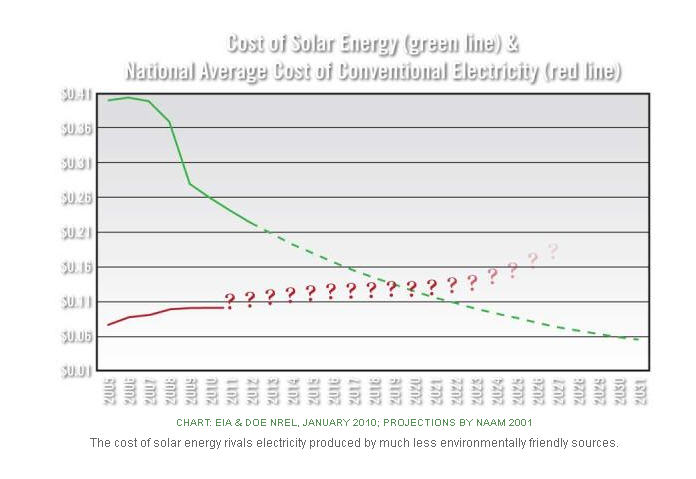
If you’re thinking about switching to solar energy, now’s the time. Prices have never been lower, and in some areas, PV systems can now produce electricity at a cost that’s competitive with — or even lower than — conventional electricity from coal, nuclear or natural gas.

Contact the appraisers at www.scappraisals.com for yourvalue questions regarding solar.

The cost of a residential solar power system has dropped about 40 percent in just the last two years. As a result, the lifetime cost of solar electricity produced by these systems now competes with conventional electrical power plants. In places where electricity sells for a premium, it’s competitive even without subsidies. In New Jersey, for instance, conventional electricity costs about 17 cents per kilowatt-hour (kwh). A residential solar power system can produce electricity at or slightly lower than that price, without any incentives.

Families in many major cities are paying 10 to 12 cents per kwh for conventional power, and soon, many in the Midwest will pay up to 15 cents/kwh for conventional power. Meanwhile, in the Midwest, the unsubsidized cost of solar power is about 13.7 cents/kwh, and a 30 percent federal tax credit drives that cost down to 9.6 cents/kwh.

Rebates that are available from some utilities lower the price even more. In St. Louis, Ameren offers a $2 per watt rebate based on installed capacity. A 5 kilowatt system would receive a $10,000 rebate as soon as the system is up and running. This incentive drives the cost of solar energy down even further — to 7.1 cents/kwh. That’s much cheaper than conventional power. In addition, the cost of solar electricity will remain the same for the life of the system — at least 30 years, maybe longer. This provides a tremendous hedge against inflation.